wow2000.com

Solar Solutions in Gabon: Residential, Commercial, and Mobile
OUR SERVICES
Solar Solutions for Different Applications
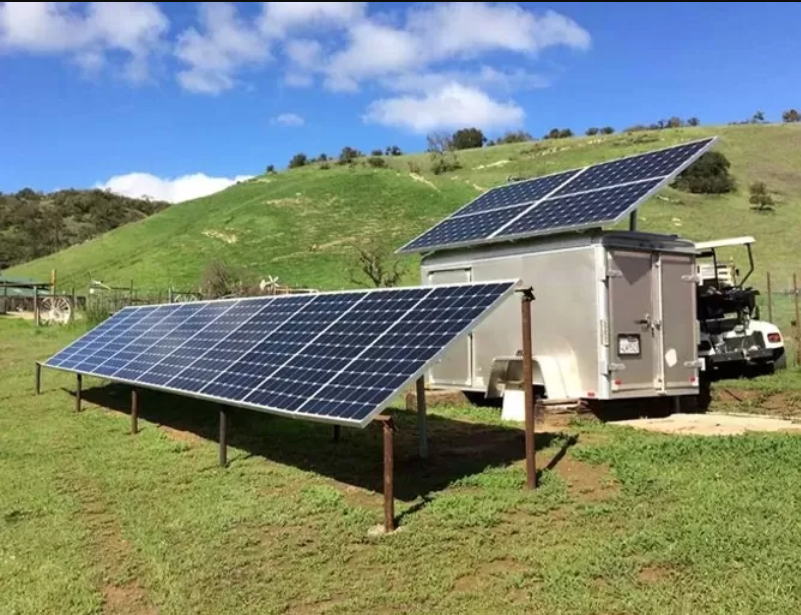
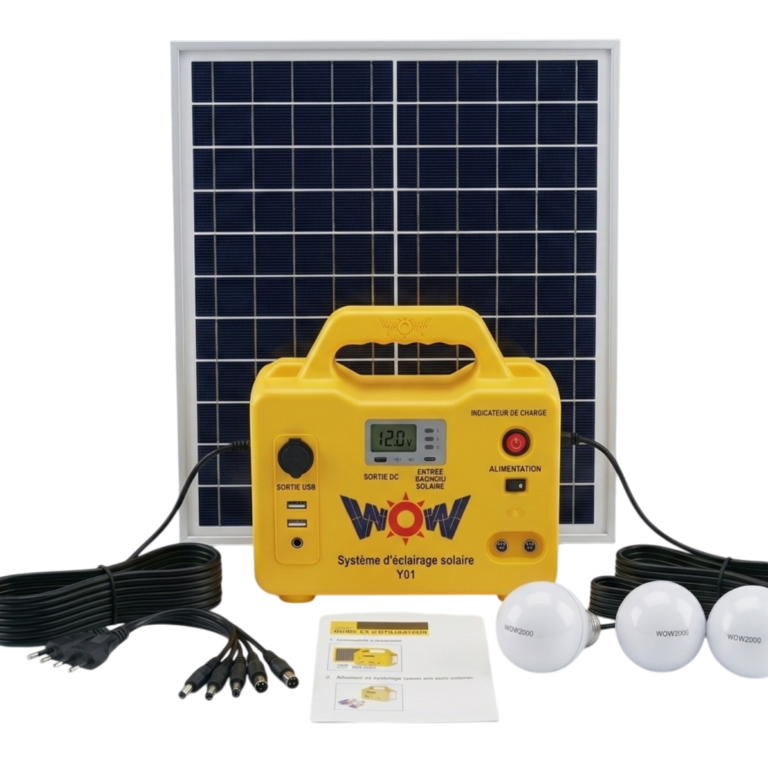
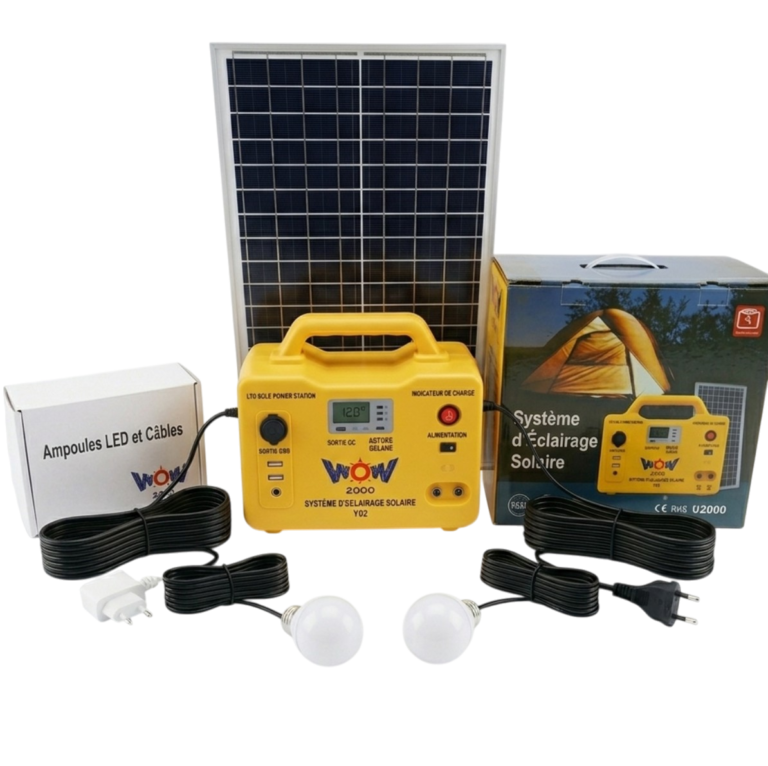
Mobile Solar Solutions
Mobile solar systems can be installed on vehicles or boats to power essential devices away from the grid. They reduce reliance on conventional fuel-based generation while supporting flexible off-grid use.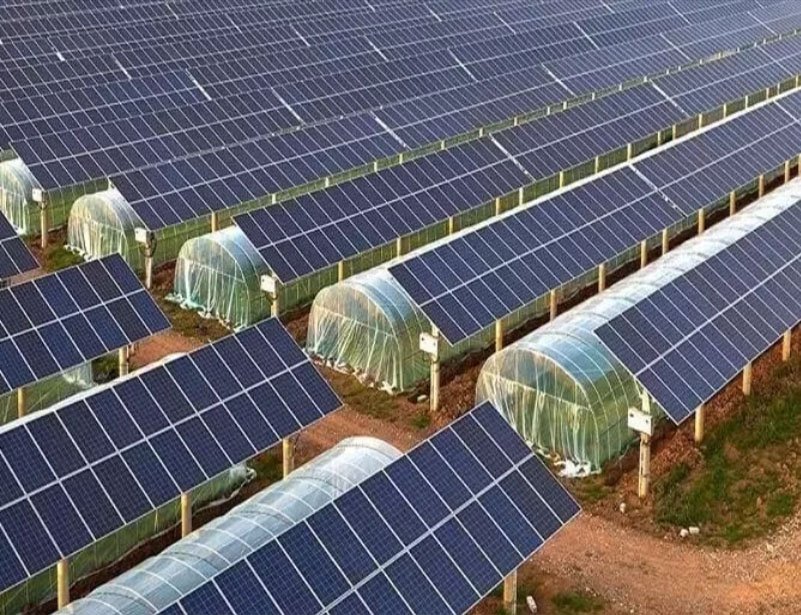
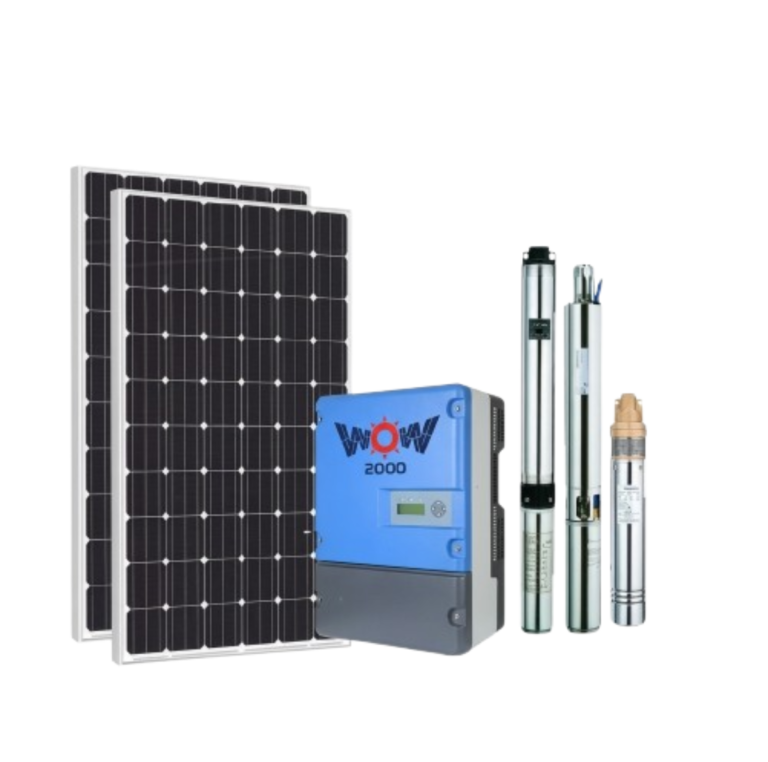
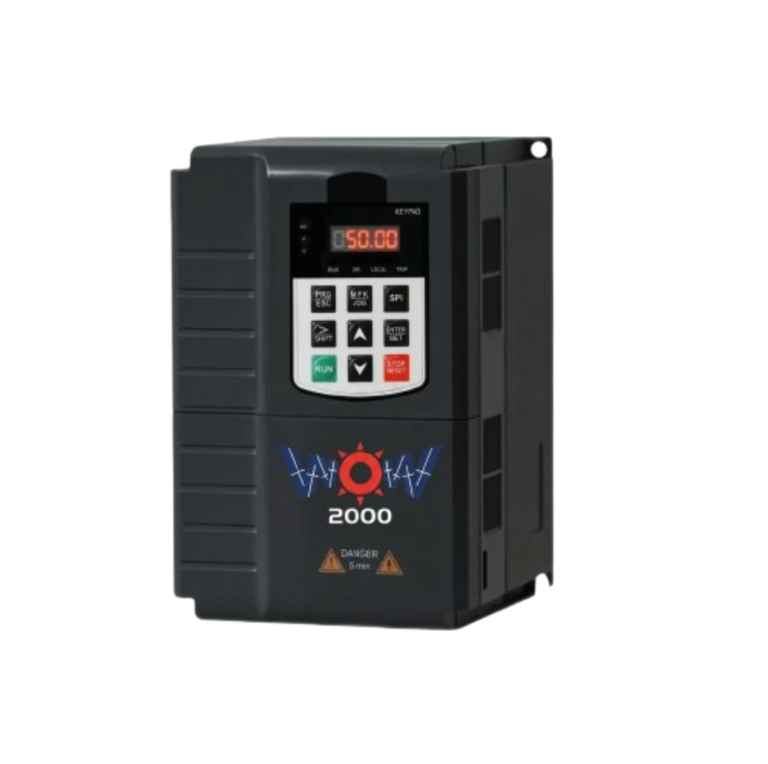
Agricultural Solar Solution
This solution uses solar panels on agricultural sites to supply electricity for production needs. It can reduce grid or fuel consumption while supporting day-to-day farm operations.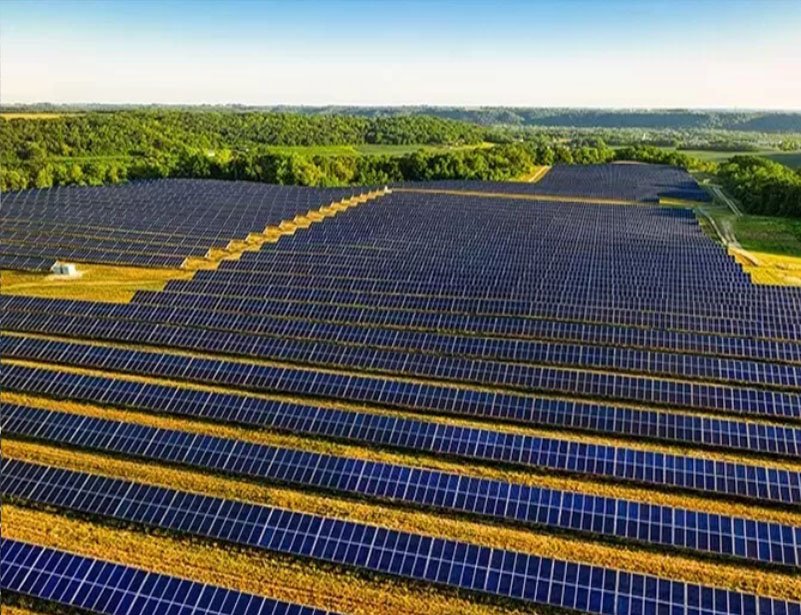
Utility-Scale Solar Power Project
A utility-scale solar project uses a large photovoltaic array to supply electricity for communities, businesses or grid-connected applications in the surrounding area.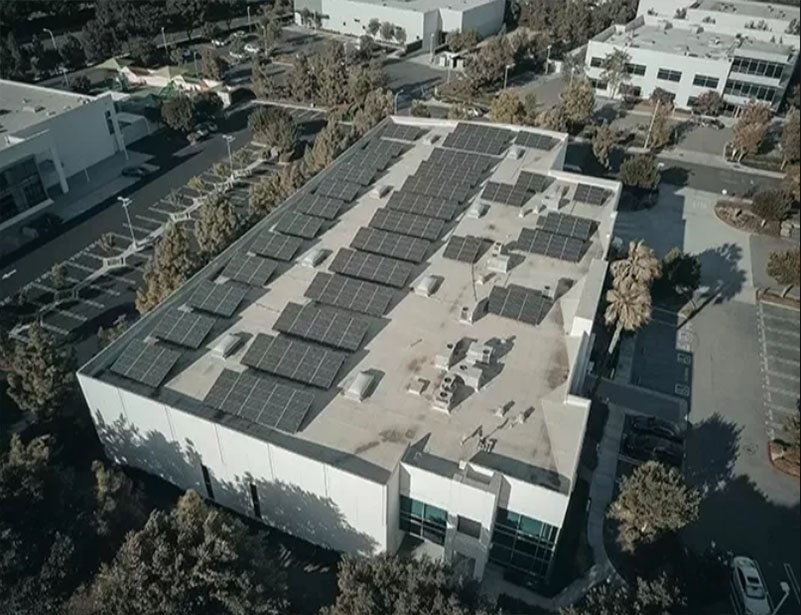
Commercial Solar Solutions
Commercial photovoltaic systems use solar panels on business premises or industrial facilities to supply electricity and help reduce energy costs.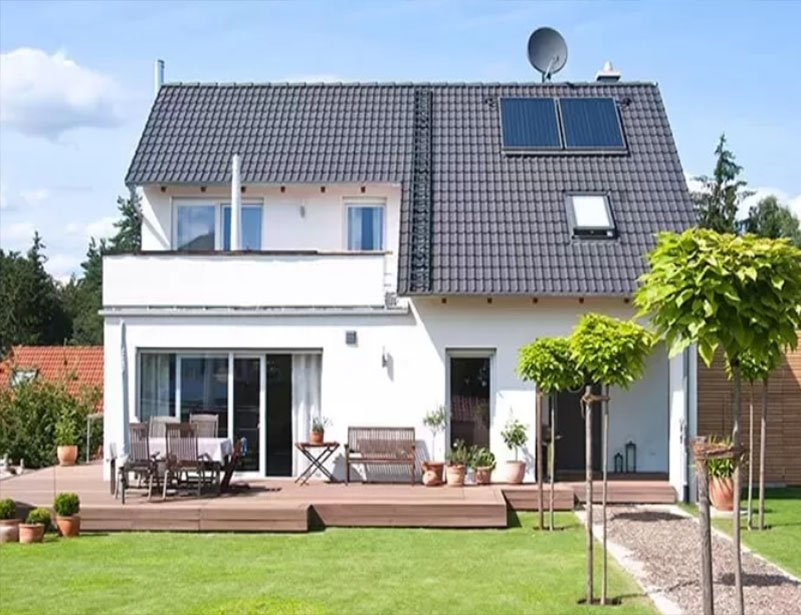
Residential Solar and Battery Storage
Residential energy storage combines rooftop solar with a battery system that stores daytime production for use at night or during a grid outage.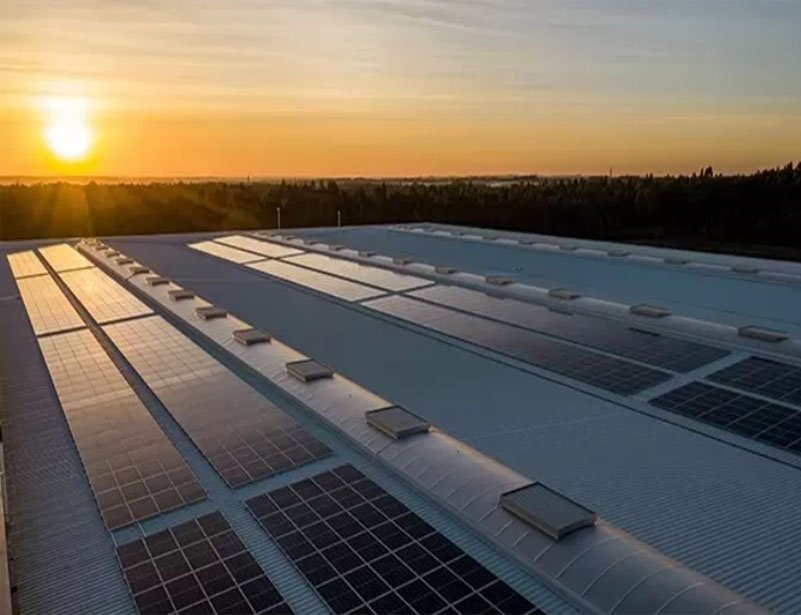
Turnkey Commercial Solar Installations
WOW2000 provides end-to-end support, from site assessment through installation, for efficient and durable solar power systems.Our Approach
Your Solar Installation Process
1
STEP
Requirements Analysis
We assess your energy needs and site conditions, then recommend a photovoltaic solution suited to the application.2
STEP
Design and Engineering
Our team develops the technical design, sizes the panels and inverters, and prepares the installation plan.3
STEP
Installation and Commissioning
We install the panels, storage systems and inverters, then test and commission the system for reliable operation.4
STEP
Monitoring and Maintenance
We provide remote monitoring, scheduled maintenance and technical support to sustain system performance and service life.Do you have any questions?
Send us your project details and our team will get back to you as soon as possible.
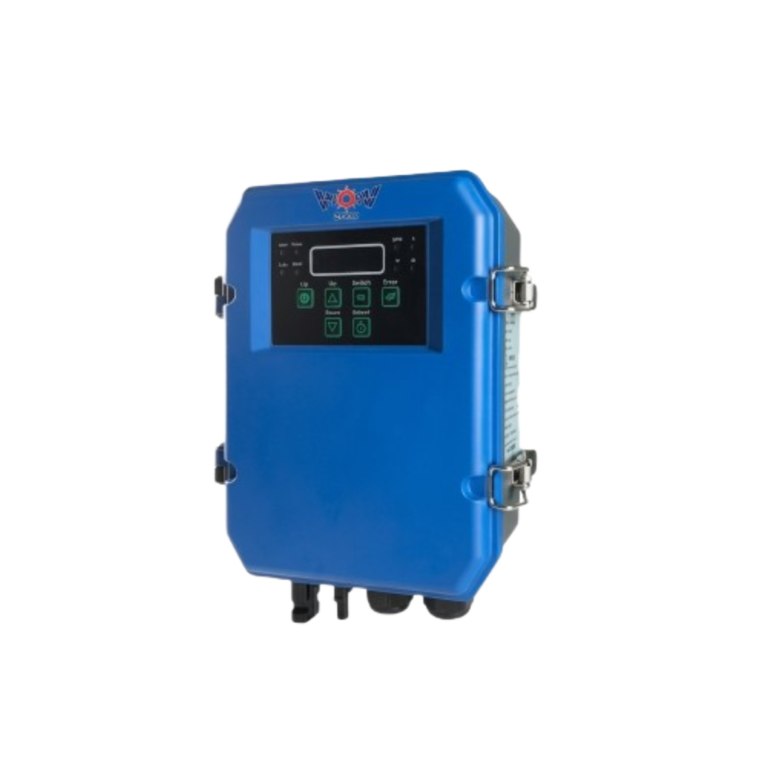
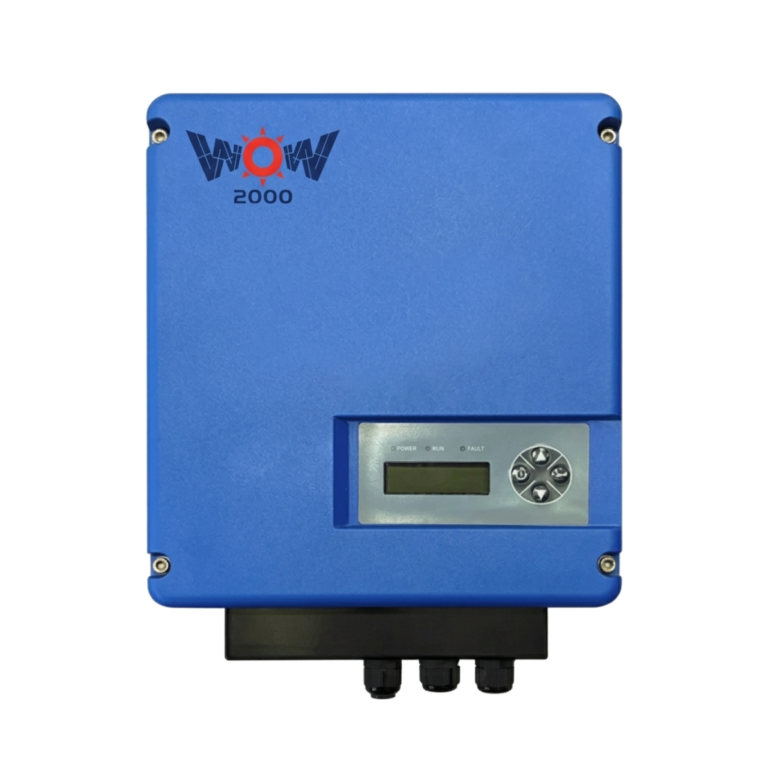
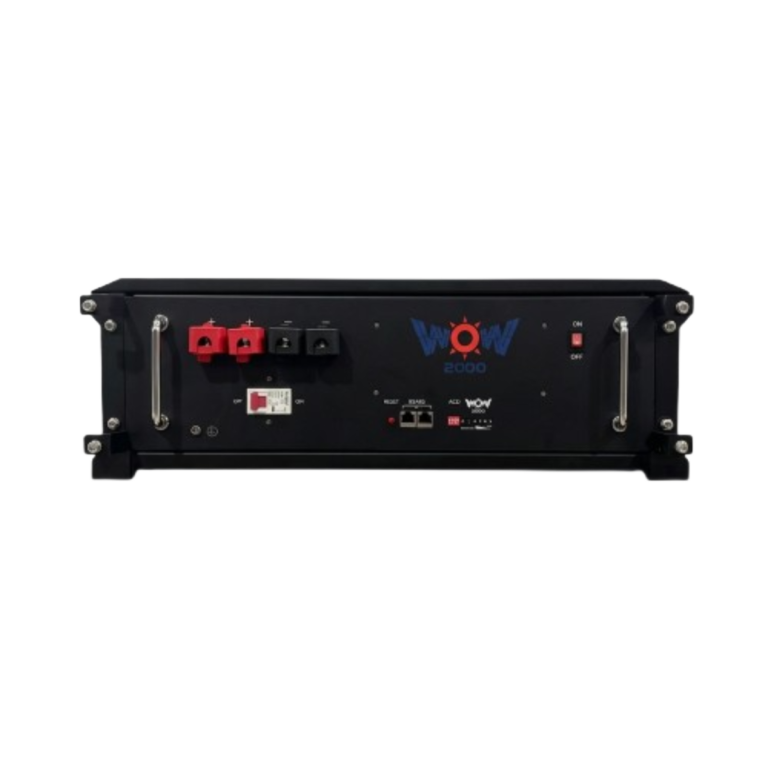
Choose a solar solution that suits your needs
A well-planned solar project doesn’t start with the number of panels. It starts with the intended use: the equipment to be powered, its power consumption, operating hours, actual power outages experienced, and the expected level of autonomy. This page helps homeowners, professionals, and project developers in Gabon compare the major categories of solutions before requesting a feasibility study.
House, apartment, or residence
For residential use, the goal may be to reduce daytime energy consumption, keep certain circuits running during a power outage, or combine both. Priority loads often include lighting, telecommunications, a refrigerator, certain fans, or a pump. Air conditioning, electric cooking, and water heaters require special attention because they can significantly affect the required inverter power and battery capacity. A utility bill and a list of appliances can help establish an initial sizing estimate.
Retail, Office, and Small Business
A commercial solution must distinguish between the loads essential to business operations—cash registers, internet connections, lighting, refrigeration, security, and workstations—and those that can be deferred. Start-up surges from motors, compressors, and pumps are just as important as average consumption. For a retail business, the study must also specify how the system behaves in the event of a power outage, which circuits are actually restored, and the maintenance procedure.
Agriculture, Mobility, and Technical Projects
Agricultural projects may involve pumping, lighting, cooling, irrigation, or processing. Needs often vary by season; therefore, the consumption profile must be developed in collaboration with the farm operator. Mobile solutions address other constraints: weight, mounting, transportation, exposure to the elements, and battery protection. High-power projects, on the other hand, require a site survey, solar resource data, an analysis of grid connections, and applicable permits.
The four decisions that define the system
- Loads to be powered: power, duration, startup spikes, and priority.
- Operating mode: self-consumption, backup power for selected circuits, off-grid operation, or a combination of these uses.
- Storage: usable capacity, desired runtime, expected cycles, safety features, and location.
- Site constraints: available roof or ground area, shade, structure, access, ventilation, the existing electrical system or grid connection, and safety.
Two projects with the same panel capacity can yield very different results if their parameters are not comparable. That is why a price or a promise of runtime without verifiable technical assumptions is not enough to make a decision.
How to Prepare a Useful Request for a Quote
To speed up the assessment, provide twelve months of bills when possible, a list of loads that must remain powered during an outage, photos of the proposed location, the site address and your operating schedule. Also indicate whether the project may expand over time. A technical proposal should describe the equipment, covered circuits, operating limits, planned maintenance and warranty terms. Availability, the site survey and installation conditions must be confirmed in the final offer.
Frequently Asked Questions
Is a battery always necessary?
No. It depends on the objective. Daytime self-consumption and power supply during an outage require different system configurations. The choice is made after identifying the priority loads and the desired runtime.
Can it power an entire house or business?
This is sometimes possible, but in that case, the system must be sized to handle simultaneous loads and power peaks. It is often more practical to prioritize essential circuits.
How should you compare two proposals?
Compare energy consumption estimates, inverter power, usable storage capacity, safety features, wiring diagrams, exclusions, and warranties. Don't just compare the number of panels or the total price.