wow2000.com


Solar Project Lifecycle Guides
Follow a Solar Project from Assessment to Maintenance
A solar project involves more than just choosing panels, an inverter, or a battery. It involves a series of decisions: understanding the requirements, documenting assumptions, defining the architecture, installing and testing the system, handing over the records, and then monitoring the equipment during operation. This collection links those stages to the maintenance observations that follow commissioning.
The checkpoints below serve as a review framework for the project owner. They should be adapted to the type of installation, site conditions, and the responsibilities agreed upon by the parties involved.
1. Assessment and Requirements
Compile data on energy use, the load list, operating hours, peak demand, required backup duration, grid conditions, and site constraints. Distinguish confirmed inputs from assumptions and from information that still needs to be verified.
2. Design and Proposal
Review the selected architecture, operating modes, equipment specifications and quantities, protection, drawings, supply limits, included work, exclusions, and the technical documents associated with the proposal.
3. Installation and Change Control
Before work begins, confirm responsibilities, access, equipment locations, cable routes, and safety conditions. Any changes to equipment, quantities, settings, or scope should be documented and approved before the final handover.
4. Commissioning and Handover
The handover record should include settings, tests, results, user instructions, the safe shutdown procedure, applicable warranty terms, useful contacts, and the as-built documents corresponding to the delivered installation.
5. Operation and Maintenance
Keep a performance baseline, monitor alarms and production changes, schedule inspections, and maintain a service record. An unusual observation may prompt a check, but it does not replace a diagnosis by a qualified technician or the required safety procedure.
The project-stages guide outlines the overall process. The maintenance guide supplements it with visual inspections and warning signs that are useful during operation. Together, they help readers distinguish between project decisions, handover documents, routine observations, and work that requires a qualified professional.
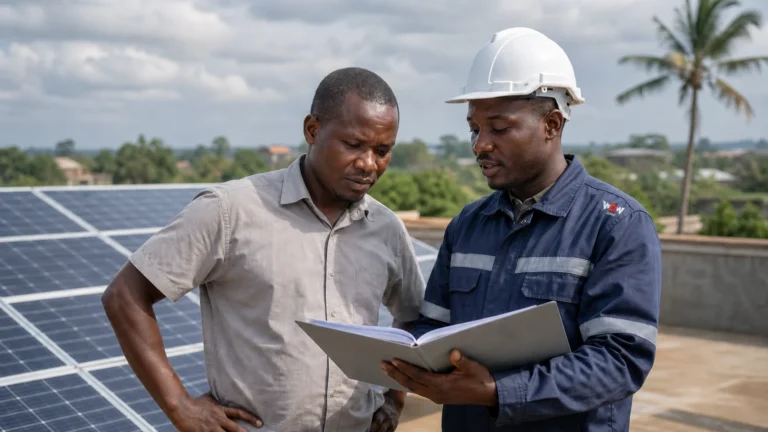
Questions to Ask Before Choosing a Solar Installer
Choosing a solar installer is a decision that will shape your project for many years to come. Before committing, it’s essential to ask the right questions to assess their technical expertise, the…
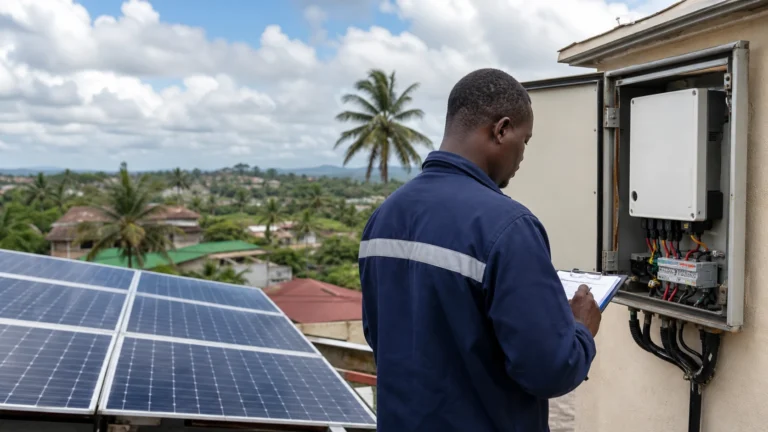
Solar System Maintenance: Checks and Warning Signs
This guide provides helpful tips for monitoring a solar installation and identifying unusual changes in energy production, alarms, heat, noise, odor, cable condition, or cleanliness. A symptom is not a diagnosis; any electrical work must be performed in accordance with the applicable safety instructions.
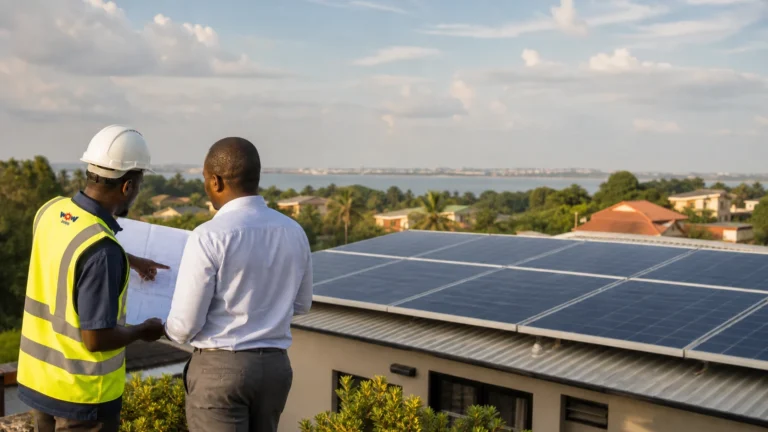
Stages of a Solar Project: From Assessment to Commissioning
This guide brings together documents related to needs assessment, design, proposal review, installation, testing, commissioning, and handover. It helps the project owner identify the decisions, responsibilities, and deliverables to review at each stage.