wow2000.com


Solar Power for Offices: Identifying Priority Loads in the Event of a Power Outage
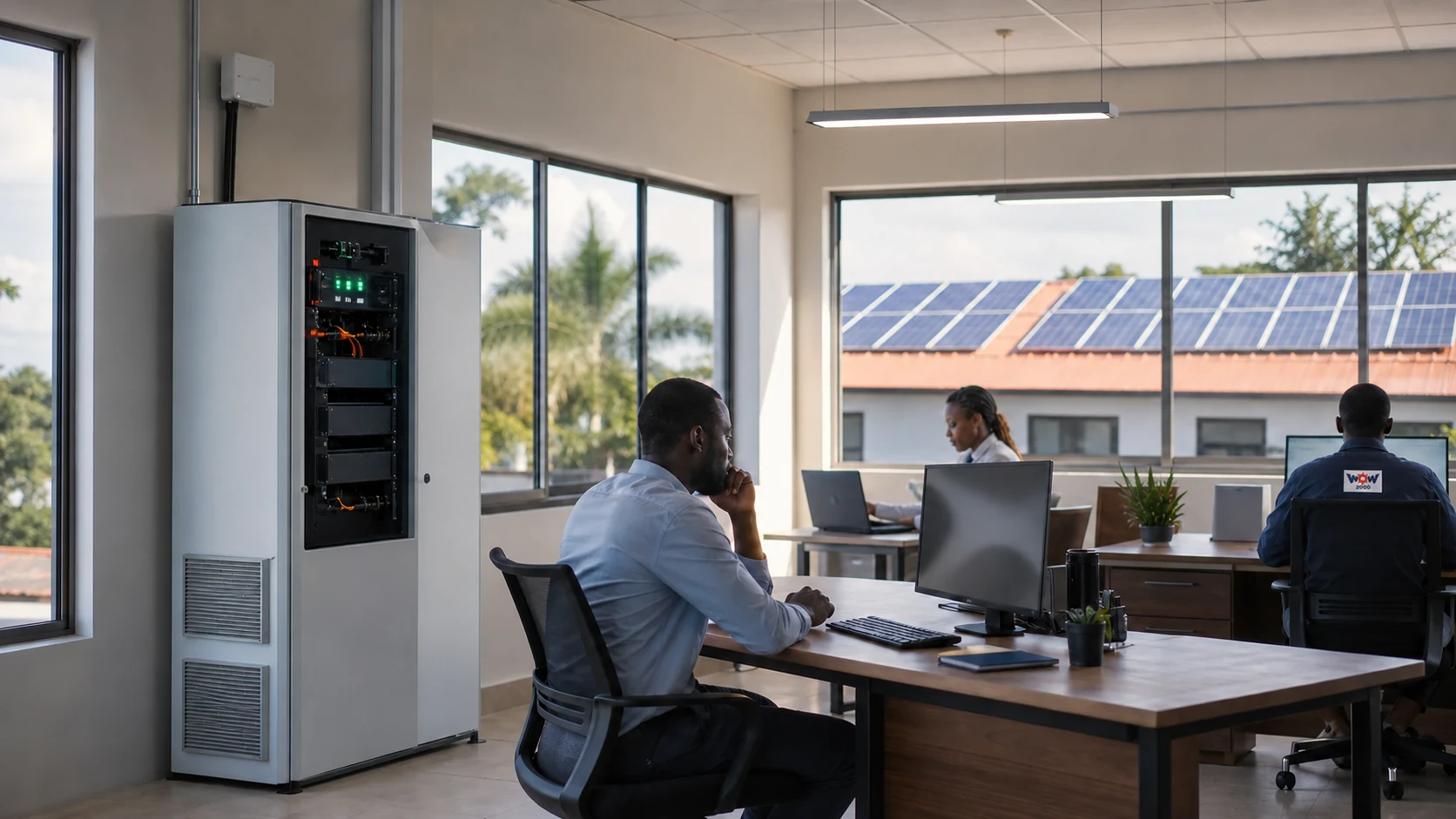
Before considering a solar installation for your offices, the first step is to Identify exactly which equipment must remain powered if the network becomes unavailable. Without this preliminary inventory, it is difficult to formulate coherent specifications for a design study.
If your site experiences power outages, the key question is not simply «How much power should be installed?» but rather: Which power-consuming equipment is truly critical to maintaining operations—servers, emergency lighting, computer workstations, telecommunications—and which equipment can be temporarily shut down?
The behavior of a solar power system for offices during a power outage depends on the selected inverter model, the type of storage, the wiring configuration, and the configured parameters. Each system architecture reacts differently; therefore, it is essential to verify these points in the technical documentation for the equipment under consideration.
This article outlines a method for identifying your expenses, prioritizing them, and gathering relevant information before requesting an on-site assessment. To learn about the categories of solutions offered by WOW2000, visit Our Solutions.
Solar Energy for Offices and Power Outages: Establishing the Right Decision-Making Framework
Before sizing a solar system for an office building, the first step is to clarify your site’s actual energy profile. If your site experiences regular grid outages, document the outages observed: frequency, average duration, affected time periods, and impact on operations. This data forms the basis for any meaningful analysis.
What to Check Before Making a Choice
There are several questions that require a specific answer for each office:
- Which loads are truly critical? Servers, computer workstations, security lighting, telecommunications—every facility has its own priorities. If your building uses air conditioning extensively, assess what percentage of total energy consumption it accounts for before deciding whether it should be included among the priority loads.
- What is the activity window? While most of the work takes place during the day, the question of the extent to which solar generation aligns with demand warrants a specific hourly analysis.
- What level of continuity are you aiming for? Keeping only the IT systems running for one hour versus powering all workstations for half a day are two very different scenarios in terms of storage and cost.
The design of a high-performance photovoltaic system relies on site-specific input data—load profile, local solar irradiance, roof constraints, and continuity objectives (IEA PVPS Task 13). No standard sizing method can replace this analysis.
Gathering this information in advance allows us to begin a technical discussion on a solid foundation.

Method: Identify and Prioritize Your Office Expenses
Before proceeding with any solar system sizing for offices in the event of a power outage, a structured inventory of equipment helps gather the information needed for a site assessment. Here are the steps to follow.
Step 1 — Make a list of all the electrical equipment in the office
Check each workstation, meeting room, and common area. For each device, note the following:
- the rated power indicated on the label or in the technical specifications (in watts); ;
- the estimated daily usage time; ;
- the type of startup (some equipment experiences a startup inrush current, the magnitude of which depends on the model).
Record this data in a simple table: device, power, duration, notes.
Step 2 — Classify the loads by level of criticality
Divide the equipment into three categories:
- Critical Loads — equipment whose shutdown results in data loss or an operational outage (servers, routers, security workstations).
- Significant Expenses — main workstations, lighting in traffic areas.
- Deferred Expenses — supplemental air conditioning, comfort features, decorative lighting.
This hierarchy helps establish priorities during the technical study; the actual behavior of an inverter or battery bank during a power outage depends on the selected model, the wiring, the settings configured, and the manufacturer’s documentation.
Step 3 — Total the demand by category
Calculate the total power for each criticality level. Record the maximum instantaneous power and the cumulative power consumption over the desired time period separately. These totals will serve as the input data for a set of specifications to be submitted as part of a site study.
Step 4 — Prepare the documentation for the technical review
Gather the equipment inventory list, the existing electrical diagram, and any recent electricity bills. If your site experiences frequent outages, note their typical frequency and duration: this information will guide the analysis.
Choose a solar power backup kit in Port-Gentil for your offices to explore configurations suited to professional environments in Gabon.
Identifying Priority Loads: The Technical Approach
When an office is considering a solar power system for use during power outages, the first technical step is to distinguish between critical loads and non-critical loads. This prioritization determines the sizing of the entire system—panels, inverter, and storage—and directly affects the project’s feasibility and budget.
Categorize Equipment
In practice, office expenses are generally broken down into three categories:
- Critical Loads — servers, network routers, security systems, emergency lighting. Any interruption in their operation could result in data loss or pose a security risk.
- Significant Expenses — computer workstations, telephone systems, and main printers. Shutting them down significantly reduces productivity, though there is no immediate danger.
- Deferred Expenses — auxiliary air conditioning, coffee machines, decorative lighting. These can be temporarily turned off.
Why This Hierarchy Is Crucial
The design of a photovoltaic system is based on site-specific parameters: consumption profile, actual sunlight levels, module orientation, and the selected storage capacity. As the’IEA PVPS Task 13, evaluating the performance of a PV system requires installation-specific data; no generic sizing can guarantee identical results from one site to another.
Questions to Consider Before Beginning Any Study
- Which systems should be given priority, and for how long?
- Does the existing electrical panel allow for easy separation of priority circuits from secondary circuits?
- Is an hourly consumption report available to quantify the power drawn by each load level?
This information, gathered in advance, allows a qualified professional to propose a customized design rather than a standardized kit.
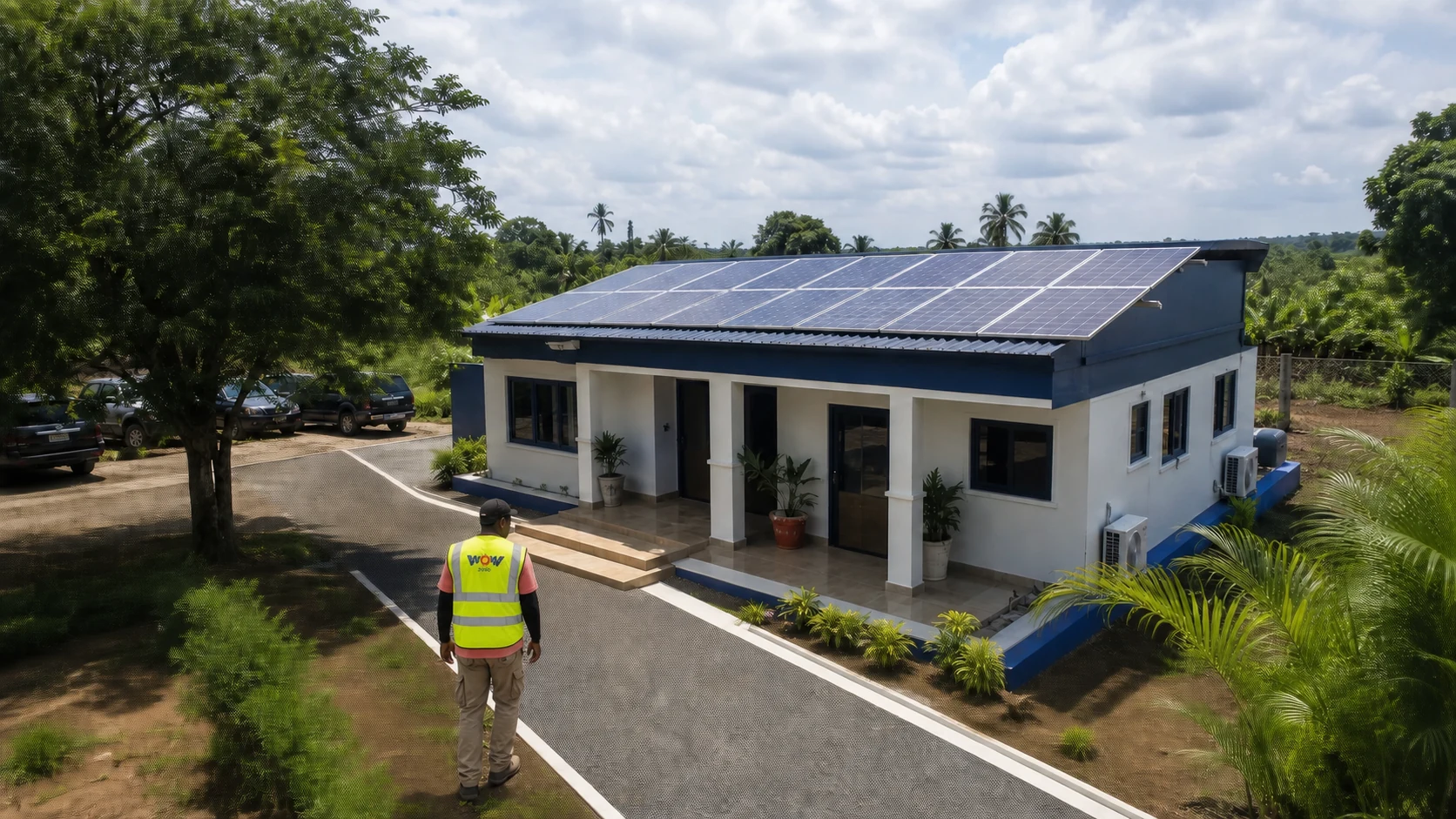
Checklist: Preparing to Identify Priority Loads in the Event of a Power Outage
Before conducting any sizing study for a solar power system for office buildings in the event of a power outage, a structured inventory of equipment provides the designer with the necessary data. The table below helps organize this preparation.
| Item to be documented | Questions to Review |
|---|---|
| Computer Equipment | How many workstations, servers, and monitors need to remain operational during an outage? What is the rated power listed on each device? |
| Networking and Telecommunications | Are the router, switch, and telephone system included in the list? Is their power consumption tracked? |
| Lighting | Which areas require lighting at all times (reception area, emergency exit corridors, server room)? |
| Air Conditioning | Is cooling the equipment room essential for the operation of the identified equipment? |
| Safety Equipment | Are the cameras, access control systems, and alarms powered separately or from the same circuit breaker panel? |
| Time Profile | Do loads vary depending on the time of day? Are consumption peaks documented? |
| Inverter/Battery Behavior | The switchover mode and discharge management depend on the selected inverter model, the wiring, the settings, and the manufacturer's documentation. These parameters must be verified for each configuration. |
How to Use This Chart
Fill in each line with the power ratings listed on the nameplates or data sheets. Distinguish between critical loads—those whose shutdown would result in data loss or a security risk—and non-critical loads that can be deferred. This distinction helps the designer choose a separate circuit configuration tailored to your actual constraints.

Considerations Related to Your Site and Work Environment
Every office has its own energy profile and local constraints. Before sizing a solar system for an office to provide backup power during an outage, ask yourself several questions specific to your site.
If your website experiences frequent outages, document the outages observed: their average duration, their typical time of day, and the equipment affected. This record serves as essential input data, as the design of a photovoltaic system relies on parameters specific to each installation, as highlighted by the IEA PVPS regarding the system-specific data required for performance evaluation.
If your environment is hot and humid, ask yourself what percentage of your total energy consumption is actually attributable to air conditioning and whether it’s possible to cover that need—even partially—during daylight hours. The answer will depend on the installed capacity, any available storage capacity, and the number of air-conditioned workstations.
If your business operates primarily during the day, check to what extent your solar generation aligns with your peak consumption times—this alignment varies depending on the building's orientation, shading, and actual load profile.
To learn more about the sizing approach best suited to your needs, see How to Choose an Off-Grid Residential Solar Kit in Gabon?, which details the criteria to be considered before conducting any on-site technical study.
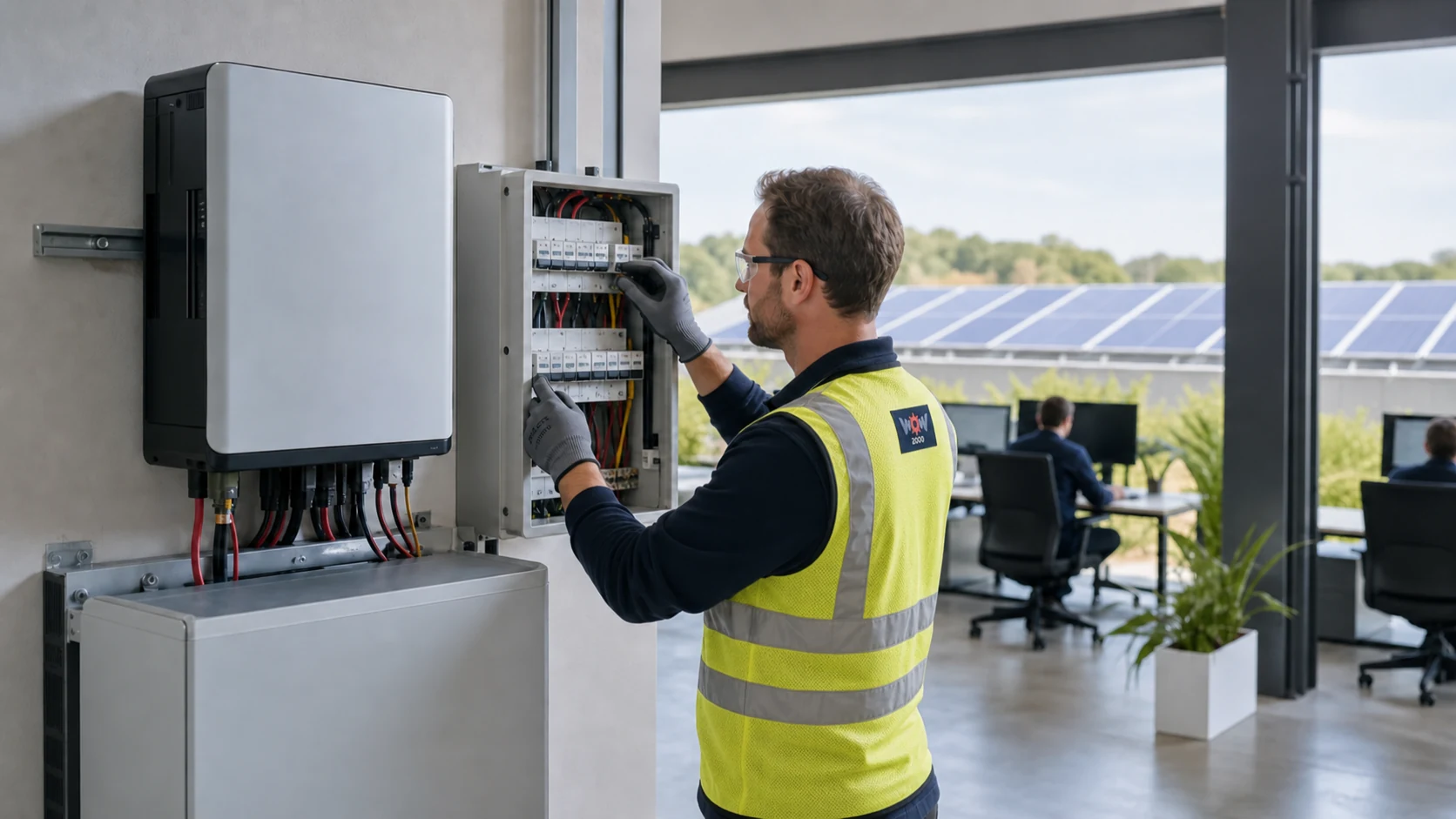
Next step: Prepare your request for a solar energy study for offices in the event of a power outage
Prioritizing your key tasks is the starting point for a coherent planning process. To make concrete progress, gather the following information:
- A Detailed Inventory for each piece of equipment to be kept operational, including its rated power and estimated operating time during an outage.
- Critical time slots during which your offices cannot afford any downtime.
- Site Constraints : available roof or installation area, configuration of the existing electrical panel, technical access.
This information allows a qualified professional to assess feasibility and propose a design tailored to your specific situation—without over- or under-engineering.
You can submit this information to WOW2000 to initiate a non-binding technical discussion. The goal is to determine whether a solar power system with storage can meet the specific needs of your offices, given the conditions at your site.
Publisher Disclosure: This article is published by WOW2000 for general informational purposes only; it is not a substitute for an on-site technical assessment or the contractual terms applicable to a specific project. WordPress will display the actual publication date and the date of the last update when the article is posted online.
Frequently Asked Questions — Solar Power Outage at the Office
How do you know which office expenses to prioritize in the event of a power outage?
Start by compiling a detailed inventory of every device on your premises, including its rated power and daily usage time. Next, classify these devices according to their criticality to business continuity: a computer server or a point-of-sale system does not have the same level of urgency as decorative lighting. This classification will serve as input data for any subsequent sizing study.
Does a solar inverter always behave the same way during a power outage?
No. The behavior depends on the selected inverter model, the wiring configuration, the configured settings, and the manufacturer’s technical documentation. Some inverters require battery storage to power off-grid loads; others include specific modes that must be enabled during installation. Consult the technical data sheet for the equipment you are considering and verify its compatibility with the power outage scenario specific to your site.
Should you have batteries on hand to power an office during a power outage?
The need for, type of, and sizing of the storage system depend on the identified loads, the duration of outages at your site, and the chosen technical configuration. If your site experiences outages, document their frequency and duration so that you can provide this information during a customized assessment.
Is it possible to under- or oversize a solar power system for an office building?
Both scenarios are possible and deserve consideration. To minimize this risk, gather your energy usage records, identify demand peaks, and specify which loads you want to keep running. This information will allow a professional to tailor the design to your actual needs.
How do I document network outages on my site?
Keep a log noting the date, start time, duration, and, if possible, the cause of each interruption observed. This log provides a useful factual basis for guiding the selection of the solar system configuration and any storage solutions during a site study.