wow2000.com


The Stages of a Solar Project: From Feasibility Study to Commissioning
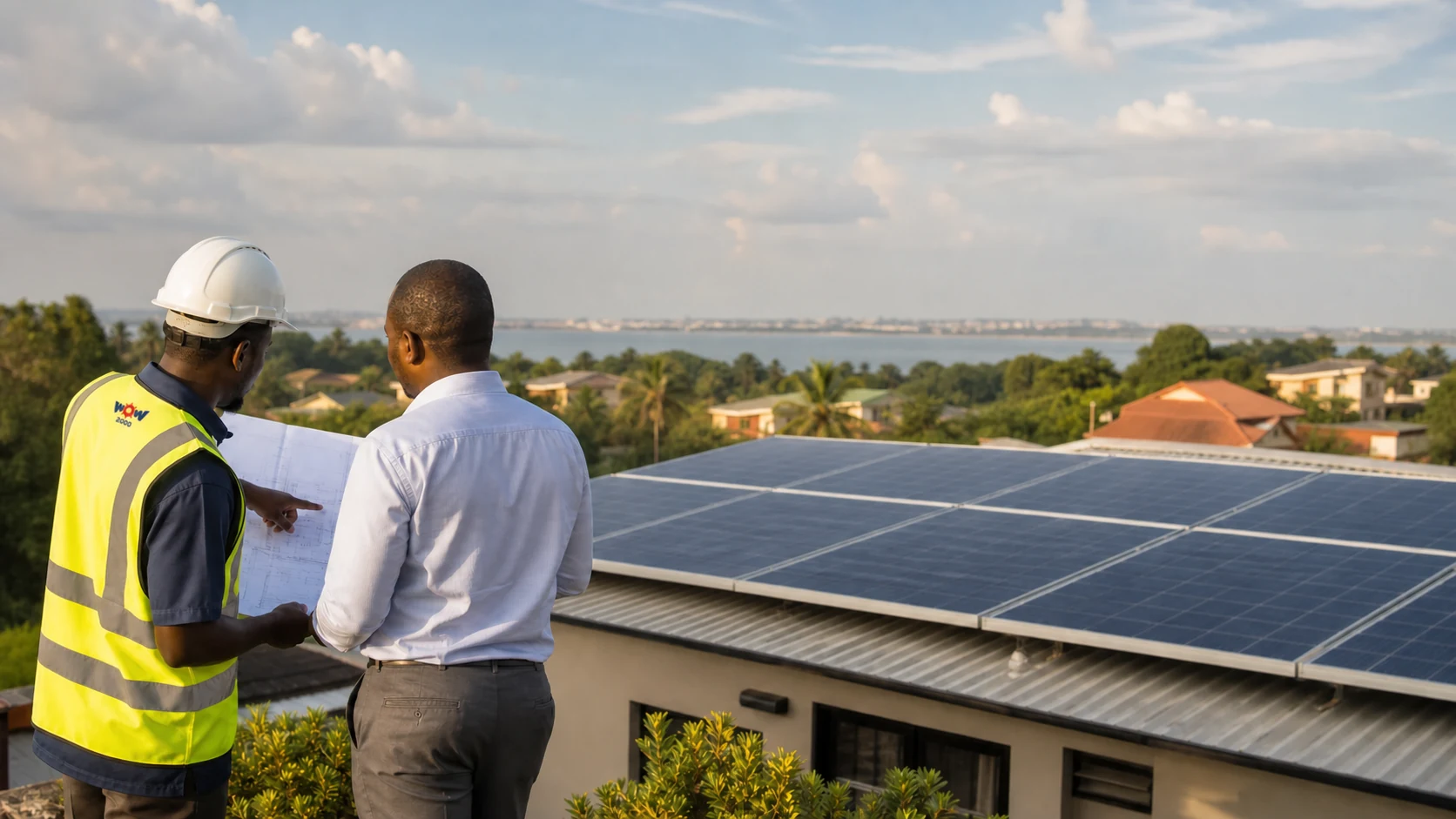
A solar project generally consists of four main phases: needs assessment, technical design, installation, and commissioning. Understanding these steps allows you to ask the right questions at each key stage and better track the progress of your project.
Whether you’re a homeowner, a business, or an agricultural project developer, the success of a solar installation depends largely on the quality of the preliminary planning. Each phase relies on specific data—actual energy consumption, site constraints, and sunlight conditions—and determines the appropriateness of the choices made in the next step.
This article details the typical process for a solar project, from the initial information-gathering stage through to the checks performed during commissioning. The goal is to give you a clear understanding of the process so that you can effectively prepare for your project and have an informed discussion with your installer.
To explore the different options available based on your profile, visit Our Solutions.
Background: Why It’s Important to Clarify the Steps of a Solar Project Before Getting Started
A solar project involves more than just installing panels on a roof. Every installation depends on a series of decisions—technical, financial, and logistical—whose order and thoroughness determine the effectiveness of the final system. Understanding these steps allows the project owner to ask the right questions at the right time and avoid making hasty decisions.
Who is this article intended for?
This guide is intended for individuals, businesses, farms, and managers of commercial sites who are considering installing a solar power system and want to understand the practical steps involved in the project, from the initial information-gathering phase through to commissioning.
Reading Hypotheses
- The reader may not necessarily have technical knowledge of photovoltaics.
- The design specifications, selected equipment, and timelines vary by site; no generic figures can be used as a substitute.
- The site’s power supply situation (grid connection, potential outages, use of a generator) directly influences the choice of solar system design.
Decision-making criteria to keep in mind
Throughout the steps described in this article, there are several criteria that deserve constant attention:
- Alignment Between Actual Needs and Installed Capacity — a point to verify during the technical review; never to be estimated on your own.
- Website Terms and Conditions — sunlight, orientation, shade, accessibility.
- Intended Use — self-consumption, storage, powering pumps or specific equipment.
- Budget and Priorities — distinguish between immediate needs and possible future expansions.
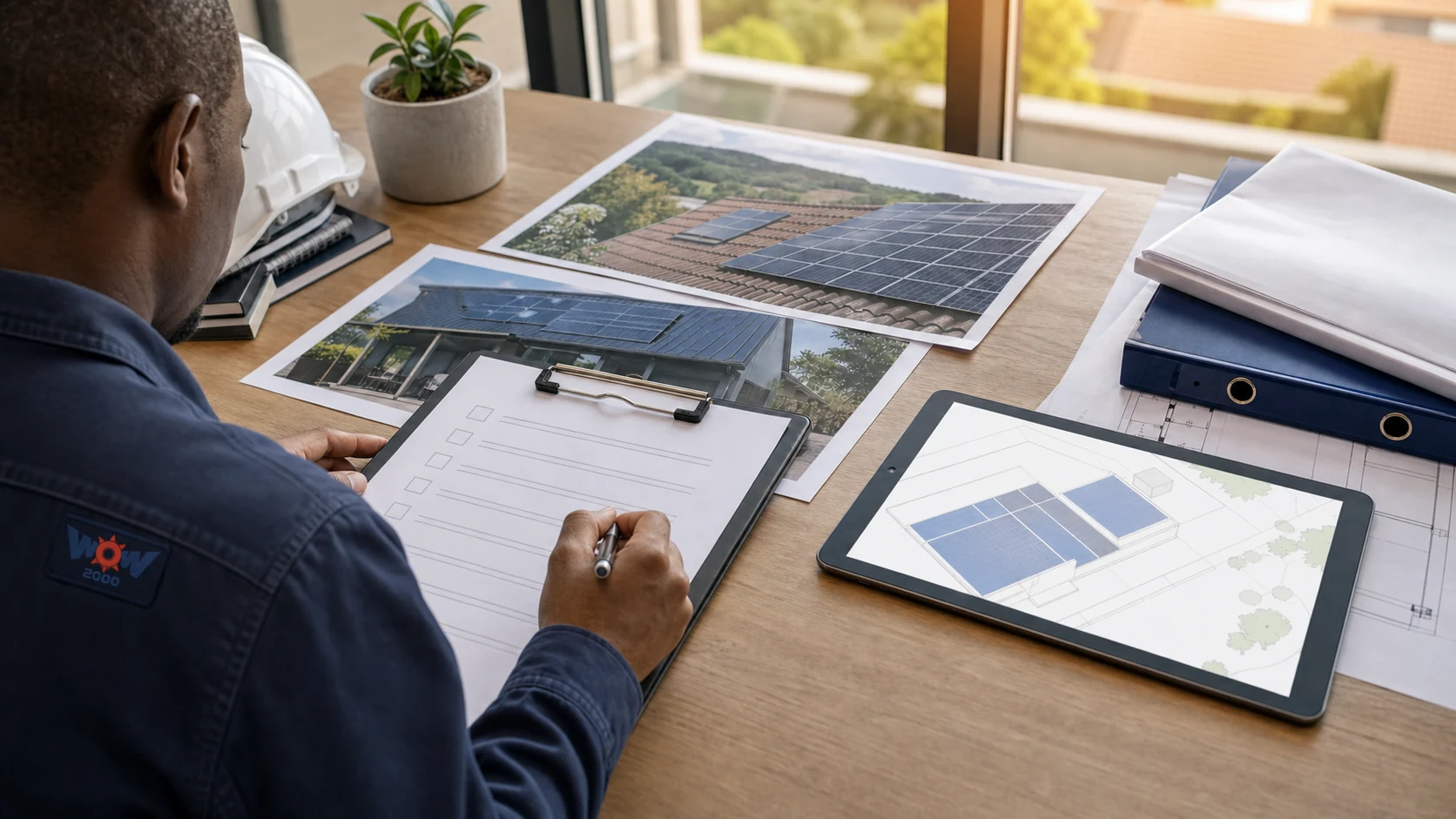
Method: The Stages of a Solar Project, from Feasibility Study to Commissioning
Every solar project follows a logical progression. Here are the key steps you need to know to approach your project in a structured way.
1. Needs Assessment and Information Gathering
The first step is to clarify your specific circumstances: building type, priority electrical uses, site constraints, and objectives. The more precise the information you provide, the better the resulting technical study will reflect your actual situation. To find out what documents and data to gather in advance, consult our dedicated guide: Solar System Assessment: What Information Should You Gather Before Requesting a Quote?.
2. Technical Study and Design
A qualified service provider assesses the site’s sunlight exposure, available orientation and tilt, as well as any potential shaded areas. The provider then sizes the components—panels, inverter, and any storage—based on the data collected. This phase determines the system’s architecture; it is therefore helpful to ask questions about the assumptions made and the margins of uncertainty.
3. Procurement and Logistics
Once the design has been approved, the equipment is selected and shipped to the site. Delivery times depend on the availability of components, local logistics conditions, and the agreed-upon schedule. It is recommended to check with the installer regarding the projected schedule and any potential issues related to transportation.
4. Installation and Connection
Installation includes the mechanical mounting of the panels, electrical wiring, and connection to the distribution panel or, if applicable, to the power grid. Each step must comply with applicable electrical standards. It is a good idea to ask what compliance checks will be performed at this stage.
5. Commissioning and Checks
The final step involves powering up the system, configuring the inverter, and conducting a series of functional tests. The goal is to verify that the system is operating in accordance with the design parameters. Commissioning is also the time to clarify the planned monitoring and maintenance procedures following startup.
By understanding these steps, you'll be better prepared to communicate with an installer and ask the right questions at every stage of the project.
Key Technical Considerations at Each Stage of a Solar Project
The technical success of a solar project depends on measurable data that is collected and analyzed at every stage. Understanding these aspects allows you to ask an installer the right questions and verify the soundness of a proposal.
Assessment of Solar Resources
Before any sizing calculations are performed, it is necessary to assess the site’s solar potential. Public mapping tools, such as the Global Solar Atlas (World Bank Group / ESMAP), provide location-specific data on global horizontal irradiance (GHI) and photovoltaic potential. This data serves as a preliminary assessment; it does not replace a technical on-site study that takes into account actual shading, roof orientation, and local climatic conditions.
Sizing and Design
The sizing process combines the measured consumption (daily load profile, power peaks) with the site parameters. Several variables influence the result:
- Tilt and Orientation the modules relative to the local sun's path.
- Ambient temperature, which affects the efficiency of photovoltaic cells.
- Potential storage capacity, calculated based on the nighttime consumption profile or in the event of a power outage.
- Component Compatibility (voltage, current, communication protocols between the inverter and the batteries).
Each configuration produces different results; therefore, you should verify that the assumptions you’ve made accurately reflect the actual conditions at your site.
Commissioning and Verification
During commissioning, electrical compliance tests (insulation, grounding, continuity) and an initial production reading allow for a comparison of the measured performance with the design estimates. This step serves as the baseline for subsequent monitoring of the system.
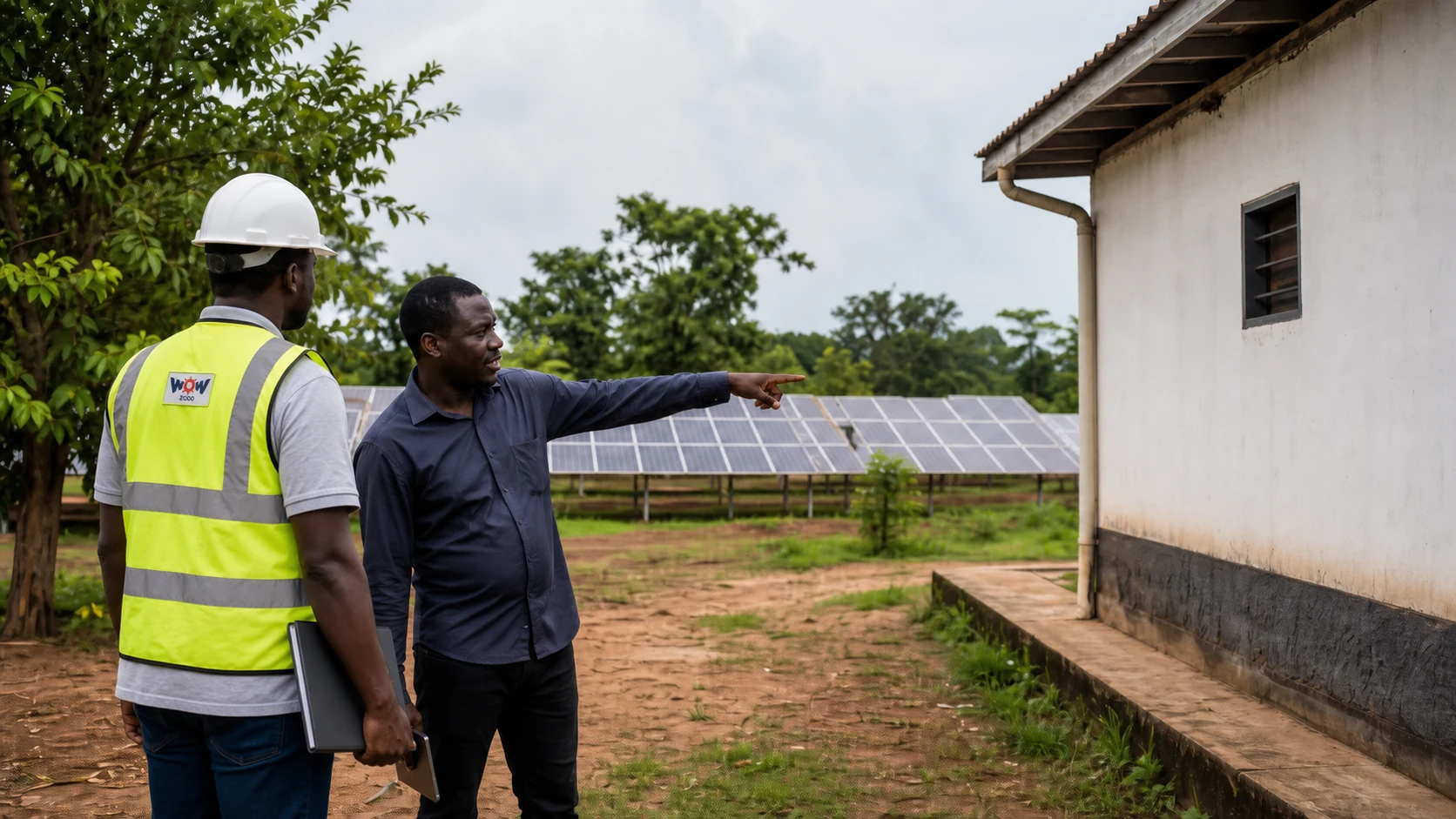
Checklist: Steps in a Solar Project to Review Before Each Phase
The table below summarizes the main phases of a solar project and the key points to verify to ensure a smooth process. It is not a substitute for a customized study, but serves as a guide to help you track the progress of your project.
| Phase | Things to Check |
|---|---|
| 1. Defining Needs | Inventory of equipment to be powered, estimated power consumption, priority objectives (partial self-sufficiency, grid support, mobility, etc.) |
| 2. Feasibility Study | Site sunlight data, available area, access constraints, condition of the roof or land, and any potential shading |
| 3. Technical Design | Choice of technology (panels, inverter, potential storage), sizing tailored to the consumption profile, preliminary electrical diagram |
| 4. Administrative Approval | Local permits, if required; compliance with applicable electrical codes; and the site owner’s consent, if applicable |
| 5. Installation | Verification of delivered equipment, compliance with the installation plan, proper wiring, grounding |
| 6. Commissioning and Testing | Monitoring actual production against forecasts, checking electrical safety devices, and training users on essential procedures |
| 7. Monitoring and Maintenance | Panel cleaning schedule, performance monitoring, point of contact in case of a problem |
Helpful tip: At each phase transition, keep a written record (approved estimate, acceptance report, initial production report). These records facilitate long-term monitoring and simplify any communication with your installer.
Considerations Related to the Local Context
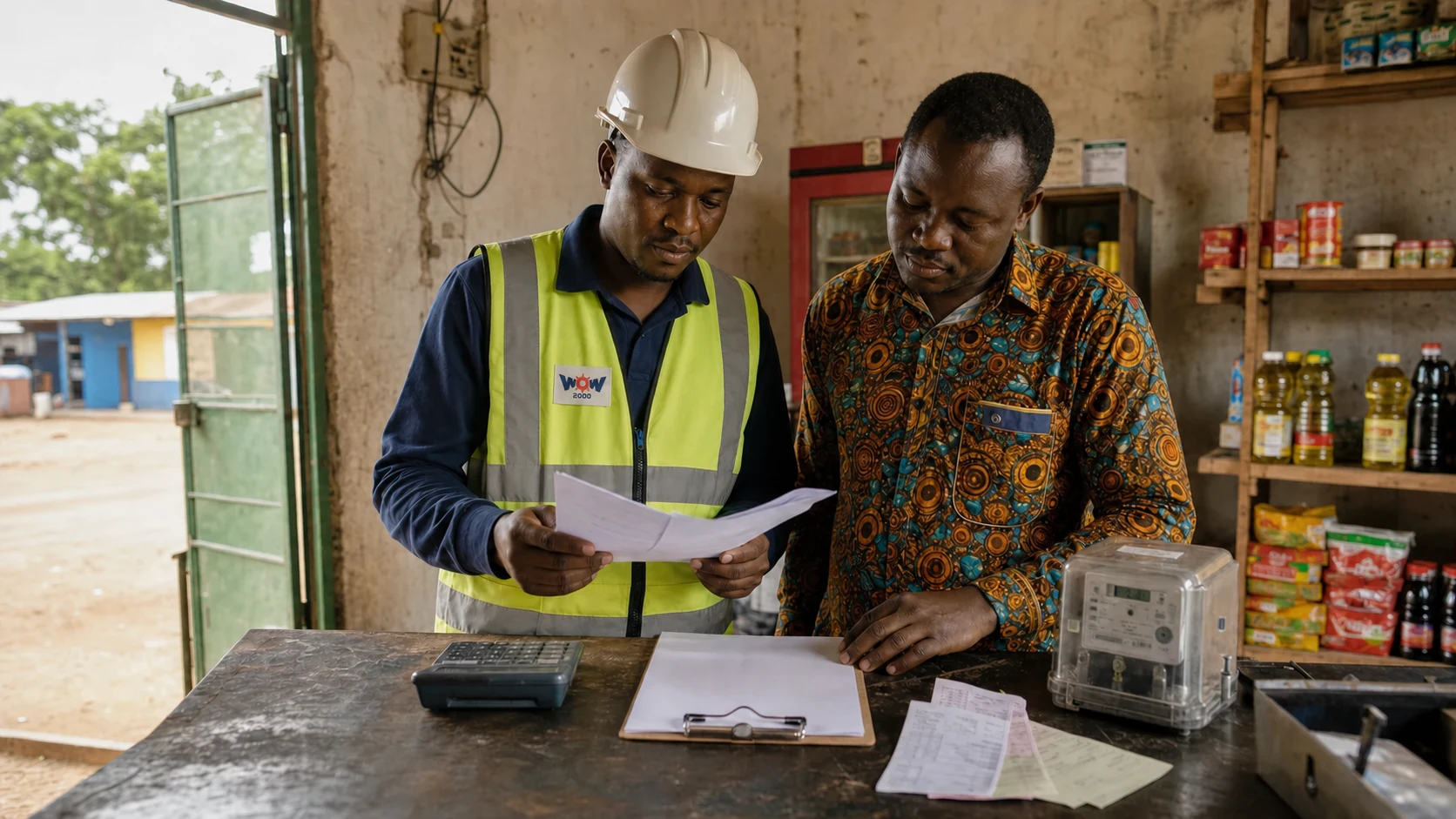
The success of the various stages of a solar project depends in part on the specific conditions at the project site. In Central Africa, several factors warrant special attention during the planning phase and throughout implementation.
Solar Resources and Seasonality. Irradiance varies depending on latitude, elevation, and seasonal cloud cover. Before designing a system, it is important to review the available solar radiation data for the specific area. For an overview of regional trends, see Central Africa: Above-Average Solar Irradiance in 2026.
Climatic and environmental conditions. High ambient temperatures, humidity, dust, or dense vegetation can affect module performance and equipment durability. These factors must be taken into account from the technical design phase onward in order to select appropriate components and establish maintenance procedures.
Access to the power grid. If your site experiences frequent outages or is located in an area without grid connection, the issues of storage and hybrid architecture are approached differently than for a site connected to a stable grid. It is important to accurately assess the existing electrical situation before making any sizing decisions.
Logistics and Regulations. The transportation of equipment, site access conditions, and any necessary local administrative procedures are among the factors that must be taken into account when establishing a realistic schedule.
Take action: clarify your needs, then start the conversation
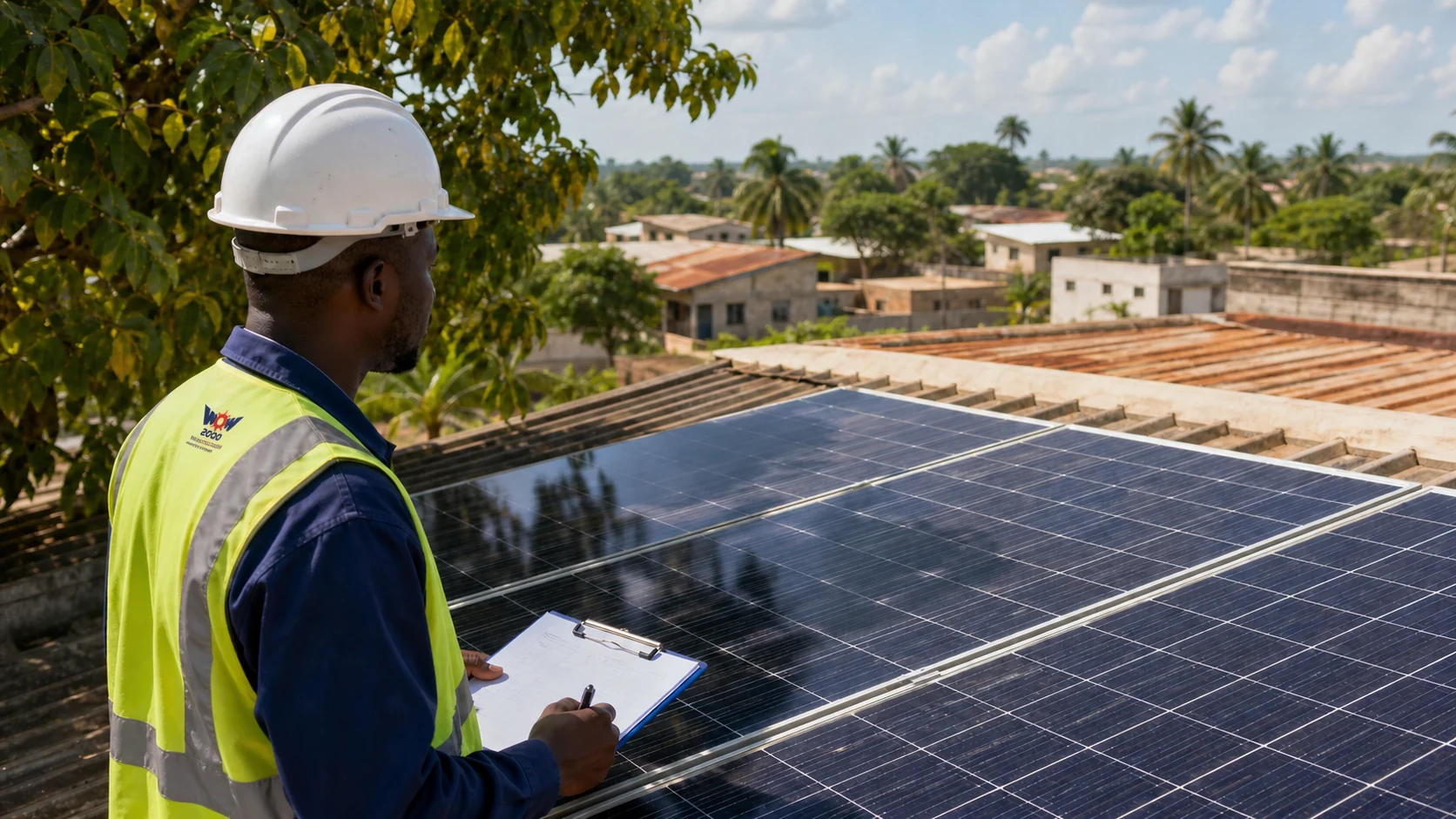
Before contacting a service provider, gather the key details about your project: the site’s location, current electricity consumption, priority uses, and any potential constraints (roof, available space, existing connection). This information will help steer the discussion toward a study tailored to your specific situation.
Every solar project follows its own unique path. Key questions to ask include those related to the site evaluation methodology, the proposed equipment, the commissioning requirements, and the post-installation monitoring framework. A structured dialogue from the outset helps identify the areas that warrant on-site technical verification.
If you are interested in exploring a solar energy solution in Gabon or another African market, you can contact WOW2000 to discuss your project and determine whether a site survey is warranted.
This article is published by WOW2000 for general informational purposes only; it is not a substitute for an on-site technical assessment or the contractual terms applicable to a specific project. WordPress will display the actual publication date and the date of the last update when the article is posted online.
Frequently Asked Questions About the Stages of a Solar Project
How many steps does a solar project typically involve?
A solar project typically follows four main phases: needs analysis and feasibility study, technical design of the system, equipment installation, and commissioning and monitoring. Each phase involves its own set of checks and may vary in duration depending on the complexity of the site and the nature of the project.
Why is the preliminary study so important in the stages of a solar project?
The preliminary study makes it possible to gather essential data—energy consumption, site characteristics, local sunlight exposure, and site constraints—before any decisions regarding system sizing are made. Without this initial analysis, it becomes difficult to design a system tailored to the site’s actual needs.
Can you estimate the size of your solar system on your own?
Public solar mapping tools allow for a preliminary assessment of a site’s potential, but they are no substitute for an on-site technical study. Reliable sizing of a system depends on specific parameters—shading, orientation, and consumption patterns—that a remote assessment cannot fully account for.
At what stage does energy storage come into play in the project?
The issue of energy storage is addressed as early as the technical design phase. Depending on the site’s consumption profile and local power supply conditions, the integration of batteries may be considered. This option is evaluated during the design phase in light of the identified needs.
What happens after commissioning?
Commissioning marks the start of operations, but not the end of the project. Regular monitoring and appropriate maintenance help ensure the system’s long-term performance. It is recommended to clarify the terms of monitoring and maintenance before contracting with a service provider.
How can I tell if my project is ready to move on to the next stage?
Each stage of a solar project produces deliverables or approvals that determine whether the project can move on to the next phase. For example, approval of the feasibility study precedes the design phase, and technical acceptance precedes commissioning. Check with your contact to ensure that each milestone has been formally approved before proceeding.