wow2000.com


Solar System Assessment: What Information Should You Gather Before Requesting a Quote?
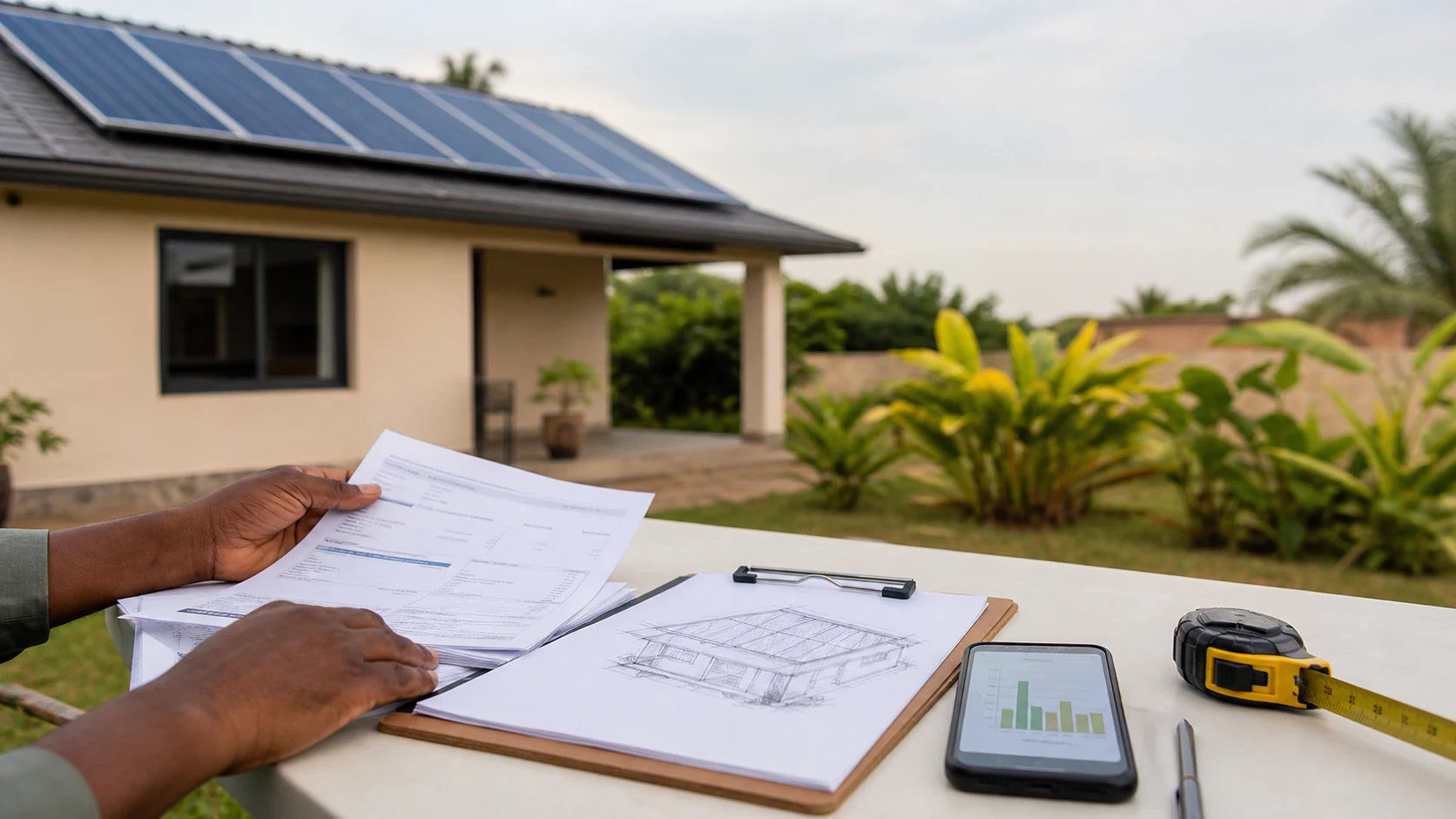
To obtain a reliable solar system estimate, you need to gather the necessary data in advance so that the service provider can properly size your system: actual electricity consumption, site characteristics, and intended use. Without this information, any proposal will be only an estimate.
A well-prepared proposal speeds up every step of the process. From the supplier’s perspective, the process generally follows a structured approach—needs analysis, technical design, installation and commissioning, followed by follow-up—and each phase relies on the information you provide from the outset. The more complete your proposal is, the better the technical proposal will align with your actual situation.
Whether you’re an individual, a business, a farm, or the leader of a larger project, the data you need to collect varies in volume but not in nature: it always involves describing what you consume, where you’re located, and what you expect from solar energy.
This article details the specific information you need to gather to ensure that your request for a quote results in a usable solar study. You can also check out Our Solutions to learn about the categories of supported projects.
Why should you prepare your application before requesting a solar feasibility study?
A solar study can only result in a reliable estimate if the initial information is complete. Providing a well-prepared set of documents from the very beginning allows the engineering firm to design the system to best fit the site’s specific conditions, and enables the client to compare proposals on a consistent basis.
Specifically, three categories of information determine the quality of a solar system cost estimate:
- Actual electricity consumption. Recent bills, meter readings, or a list of major equipment along with their operating schedules: this data can be used to estimate the site’s daily and seasonal energy needs.
- The physical characteristics of the location. The orientation and pitch of the roof, the available surface area, the presence of shadows (from trees or neighboring buildings), and the type of support structure directly influence the selection and placement of the panels.
- The objective of the project. Reducing dependence on the grid, providing power to a remote location, or powering a business or agricultural operation: each scenario determines the sizing, type of storage, and configuration of the inverter.
Gathering this information in advance helps structure the discussion with the installer and shortens the cycle between the initial request and the technical proposal. WOW2000, which follows an approach that begins with needs analysis and proceeds to technical design, recommends compiling this documentation before making any contact so that the study accurately reflects the on-site constraints and the project owner’s expectations.
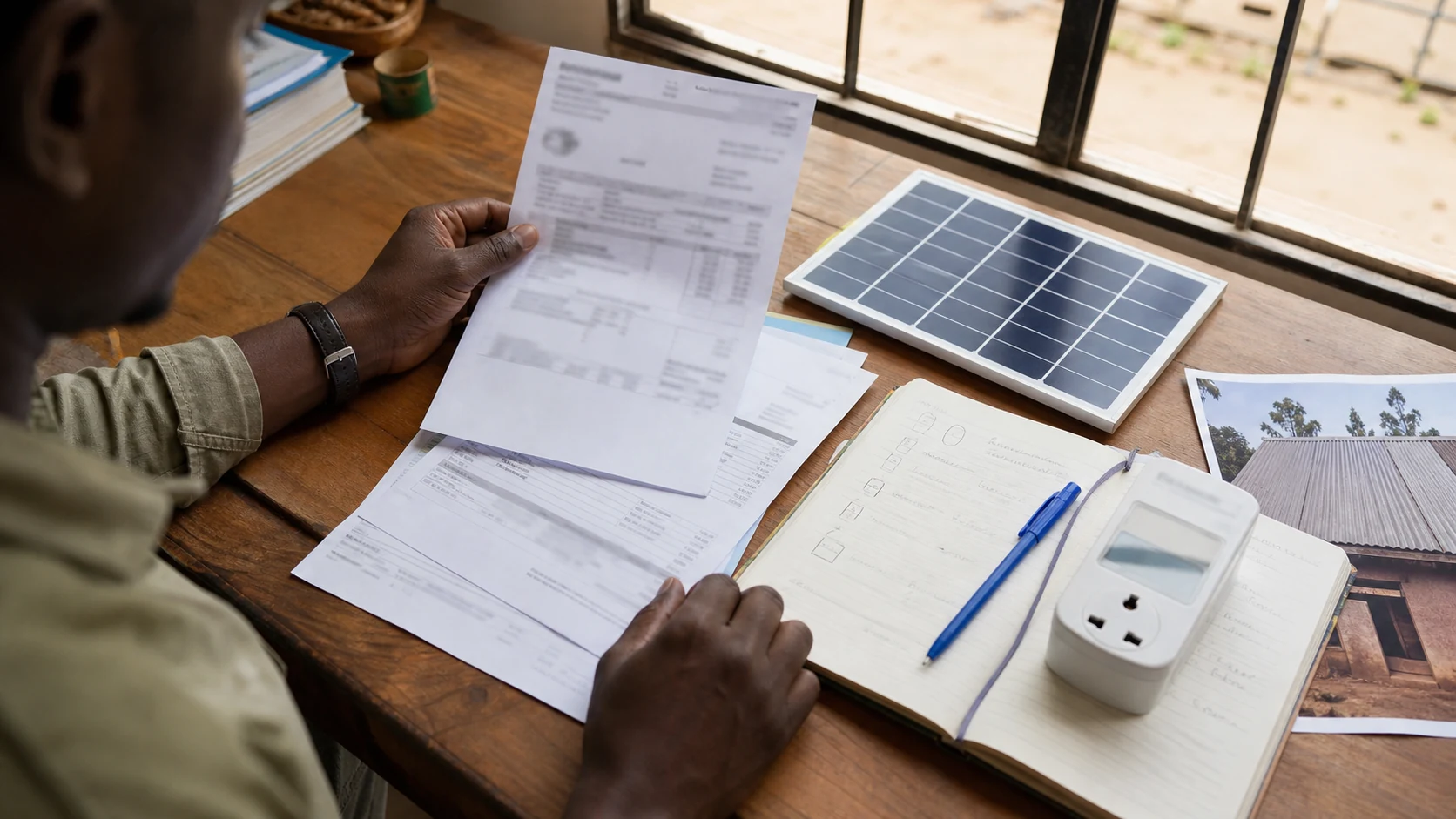
Method: Step-by-Step Guide to Gathering Information Before Your Solar System Estimate
Gathering the right data early on speeds up the analysis and ensures you receive a quote that’s truly tailored to your situation. Here’s a process broken down into three key steps.
1. Track your electricity usage
Start by gathering your electricity bills from the last six to twelve months. Note the total consumption in kilowatt-hours (kWh) as well as peak demand periods (air conditioning, cooking appliances, commercial equipment). If you don’t have itemized bills, list each appliance, its power rating as indicated on the label, and its estimated daily usage time. This information forms the basis for any reliable solar system estimate, as it determines the size of the system to be installed.
2. Document the site's characteristics
The quality of a quote depends on the physical characteristics of the installation site:
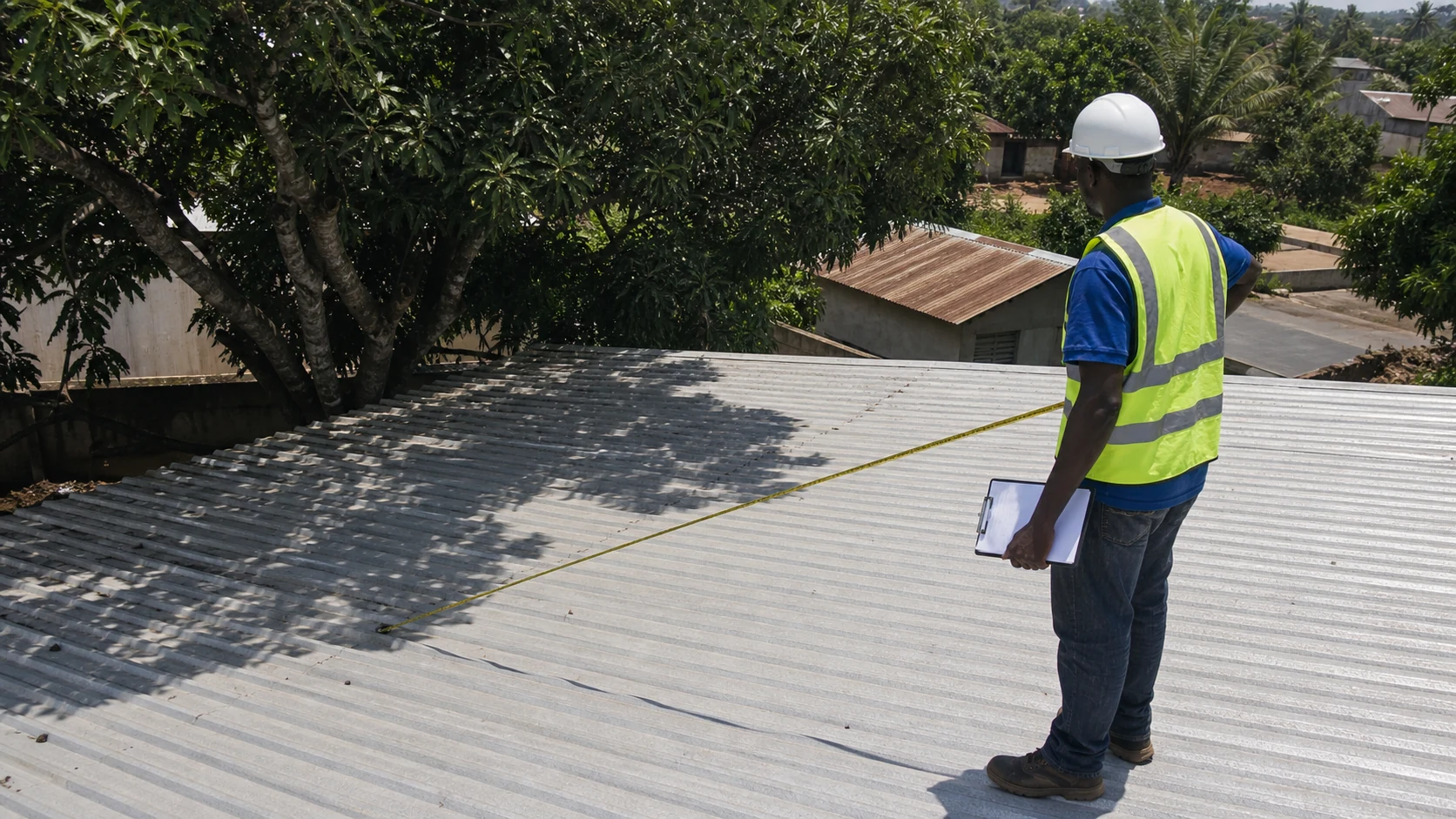
- Available space : Measure or estimate the area of the roof or usable land.
- Orientation and Tilt : Specify the orientation of the proposed roof section (north, south, east, west) and its approximate angle.
- Shadows and Obstacles : Identify any trees, nearby buildings, or antennas that might cast a shadow over the area.
- Type of structure : Specify the roofing material (sheet metal, concrete, tile) and the overall condition of the roof structure.
Photos taken at different times of the day make it much easier to conduct a remote assessment before a site visit.
3. Clarify your goals and your budget
Define what you expect from the project: reducing your reliance on the grid, ensuring a backup power supply during outages, or meeting a specific business need. Also specify whether you are considering battery storage. Finally, provide an indicative budget range—no exact amount is required—so that the technical study can propose realistic scenarios.
To learn how to submit this information and actually file your application, see our practical guide: How can I get a free quote for solar power for my home in Gabon?
The technical data essential for a reliable solar study
A high-quality solar system design study relies on accurate technical information. Without it, the sizing is likely to be approximate, which can result in an under- or oversized system.
Actual Power Consumption
The first step is to understand your energy consumption. Gather your electricity bills from the past 12 months to determine your average monthly consumption in kilowatt-hours (kWh) as well as any seasonal peaks. If you use a generator, note its power output, operating frequency, and fuel consumption. This data allows the engineering firm to determine the appropriate generation capacity and, if necessary, the required storage capacity.
Site Features
Geographic location determines solar potential. The orientation and pitch of the roof, the available surface area, and the presence of shadows (from trees or neighboring buildings) are key factors. For an initial estimate of a site’s solar potential, public tools such as the Global Solar Atlas (World Bank Group / ESMAP) provide usable radiation data during the preliminary assessment phase—however, these maps do not replace an on-site technical study.
Equipment Inventory
List the devices to be powered, along with their power consumption per unit (in watts) and their estimated daily operating time. Distinguish between critical loads—refrigeration, lighting, security—and non-critical loads. This inventory allows you to create an hourly load profile, which is a key factor in choosing between a grid-connected system, an off-grid system, or a hybrid system.
Access and Connection Requirements
Finally, specify the site’s accessibility (road conditions, distance from the existing power grid) and any local regulatory restrictions. This information directly affects installation logistics and the project’s feasibility.
Preparing this information in advance ensures that the solar system estimate you receive accurately reflects the reality of your project.
Checklist: Information to Gather Before Your Solar System Estimate
Before applying for a Solar Study Quote, ... Gathering the right information speeds up the analysis and improves the relevance of the proposal you receive. Here is a handy checklist to go through step by step.
Site Data
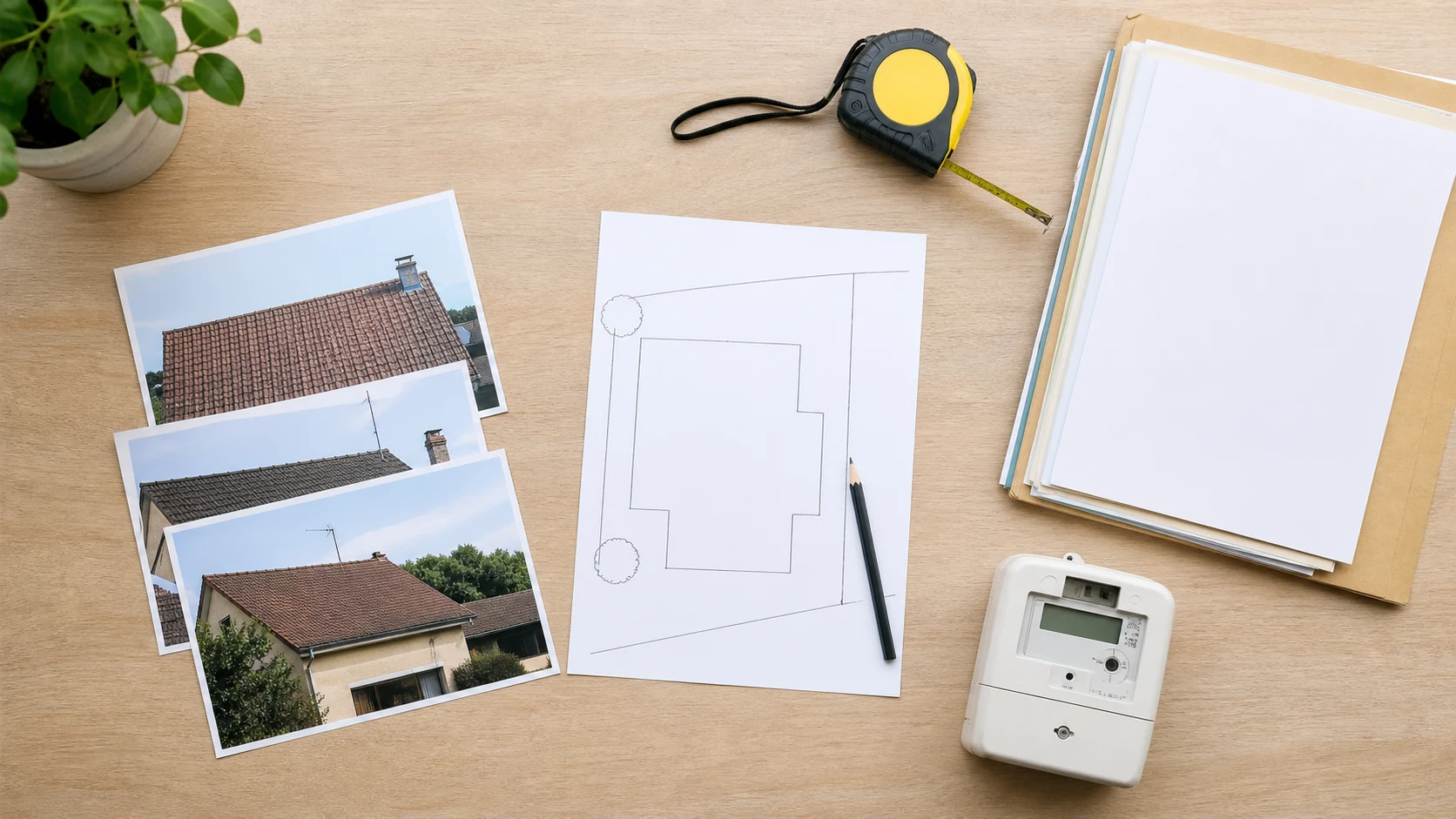
- ☐ Address or GPS coordinates the installation site (roof, lot, commercial building).
- ☐ Photos of the roof or the targeted area : orientation, apparent inclination, nearby obstacles (trees, neighboring buildings).
- ☐ Estimated available space in square meters.
- ☐ Type of Coverage : sheet metal, concrete, tile, or bare floor.
Consumption Data
- ☐ Latest electricity bills (3 to 12 months, if possible).
- ☐ List of Energy-Intensive Equipment : air conditioning, cold storage, pump, commercial equipment.
- ☐ Peak usage time periods : daytime, evening, continuous operation.
Administrative Data and Project
- ☐ Occupancy Status : If you are a renter, check the terms of your lease; if you are a homeowner, find out about any local requirements that may apply to your situation.
- ☐ Main Objective : lower energy bills, partial autonomy, backup power during outages, power supply for an off-grid site.
- ☐ Indicative budget or proposed funding arrangement (no obligation).
- ☐ Preferred Schedule for commissioning.
Why This Preparation Matters
A complete set of documents allows the technical team to tailor the solution as closely as possible to your actual needs. Conversely, incomplete data prolongs the discussion and may result in a proposal that is less well-suited to your needs. Preparing these elements in advance lays the groundwork for a reliable and actionable solar system assessment and quote.
Adapt Your Solar Study to Local Conditions
The specific conditions in your geographic area directly influence the information you need to gather before requesting a solar study and quote. In Gabon, several local factors warrant special attention when preparing your application.
Climate and Seasonality
Sunlight levels vary by region and time of year. Documenting the typical weather conditions in your area—the length of the dry season, frequency of rainfall, and humidity levels—helps the professional design the system to be realistic. For coastal projects, the issue of timing is also addressed in our article Installing Solar Panels in Port-Gentil: Before or After the Rainy Season?.
Electric Grid and Consumption Patterns
Note the quality of the electricity supply in your neighborhood or village: frequency of outages, voltage fluctuations, or a complete lack of connection. These factors will guide your choice between a grid-connected, hybrid, or off-grid system and determine your energy storage needs.
Access and Site Constraints
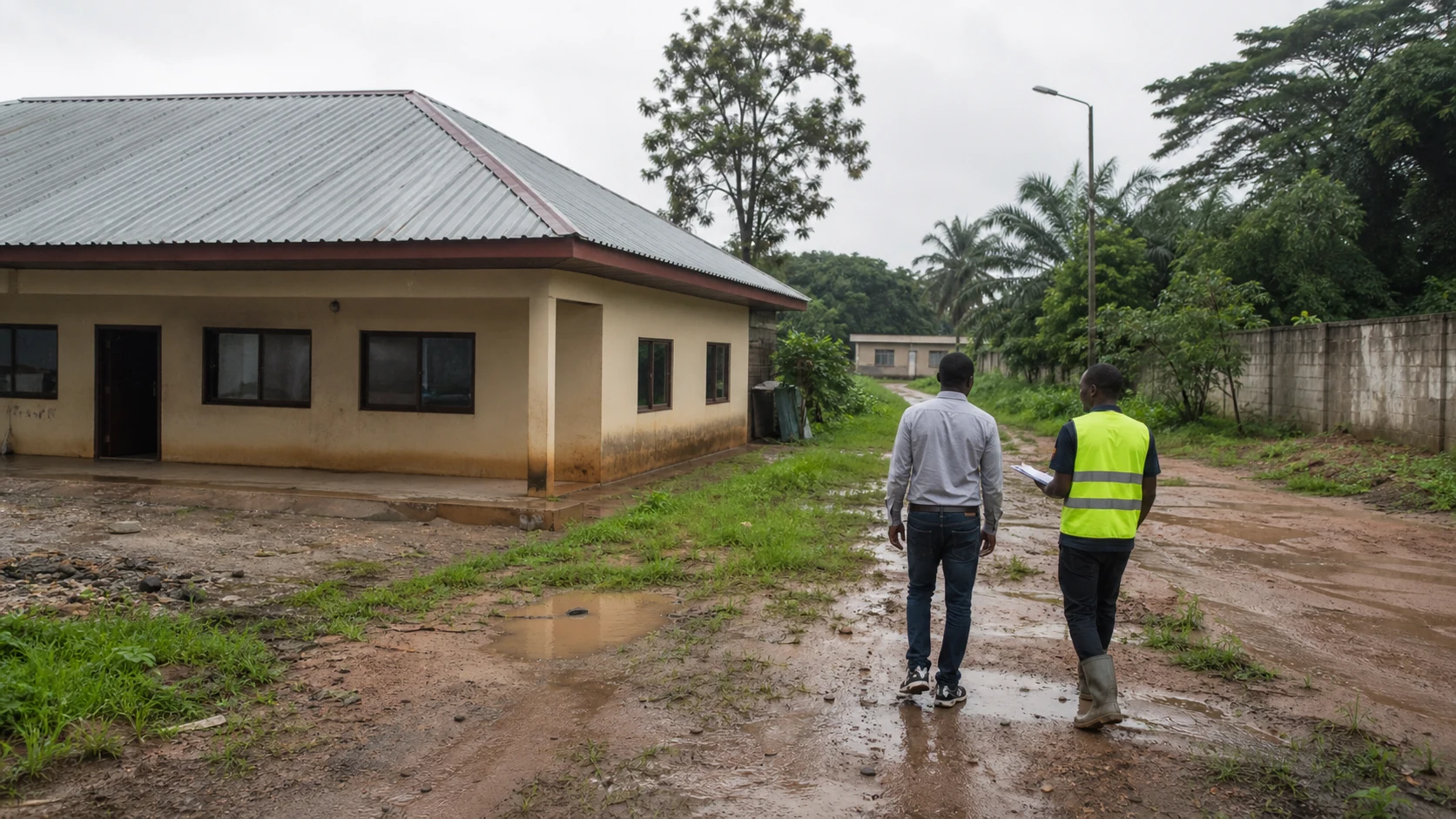
Specify the site access conditions (dirt road, paved road, distance from the nearest town) as well as the nature of the terrain or the existing building. This practical information allows the service provider to plan the installation logistics in advance and incorporate actual constraints into their technical proposal, avoiding unnecessary back-and-forth.
Preparing in a way that takes these local specifics into account makes communication with the professional more effective from the very first contact.
Next step: Request your personalized solar energy assessment
You now have a clear idea of the information you need to gather before requesting a solar system estimate. Electricity bills, building specifications, energy goals, and site constraints: each piece of information prepared in advance helps ensure you receive a technical proposal that is more accurate and better tailored to your specific situation.
To make concrete progress:
- Gather the documents and data listed in this article.
- Identify the specific requirements for your project (desired autonomy, commercial or residential use, scalability).
- Please contact WOW2000 to provide this information and receive a customized analysis tailored to your situation in Gabon.
A well-prepared request facilitates the needs analysis, technical design, and the entire process that follows.
Frequently Asked Questions About Solar System Design and Getting a Quote
What documents do I need to gather before requesting a solar energy assessment?
Gather your electricity bills from the past six to twelve months, a floor plan or aerial photo of your roof or property, and a list of your main electrical equipment. These items will help the professional assess your actual energy consumption and the available space for the installation.
Do you need to know your exact electricity consumption in kWh to submit the request?
This is highly recommended. The more accurate your estimated consumption is, the better the proposed system size will match your needs. If your bills do not list kWh usage, at the very least note the power rating and daily usage time for each appliance: this provides a useful basis for calculation.
Do the orientation and pitch of my roof affect the estimate?
Yes. The orientation, slope, and any potential shading directly affect a site’s solar production potential. Providing photos of your roof from different angles, noting nearby obstacles (trees, neighboring buildings), helps the technician refine the assessment without having to wait for an on-site visit.
Should I set my budget before contacting an installer?
Having a budget range in mind makes discussions easier and allows the professional to propose a solution that fits your budget. However, it’s not necessary to set a definitive amount: the solar study is specifically designed to identify possible configurations and their financial implications.
How long does a solar energy assessment take before a quote is provided?
The turnaround time depends on the complexity of the project and the quality of the information provided in advance. A complete application—including energy consumption, site photos, and the desired connection type—significantly speeds up the analysis. Please specify from the very first conversation whether your project is for residential, commercial, or agricultural use, as the assessment process varies depending on the type of project.
Can we request a solar feasibility study for a site that is not connected to the grid?
Yes, off-grid sites are a common use case. In such cases, it is essential to specify all the equipment to be powered and its operating hours, as the sizing of the energy storage system depends entirely on this information. Also mention the site’s accessibility to anticipate logistical constraints.