wow2000.com


Solar System Maintenance: Useful Checks and Warning Signs
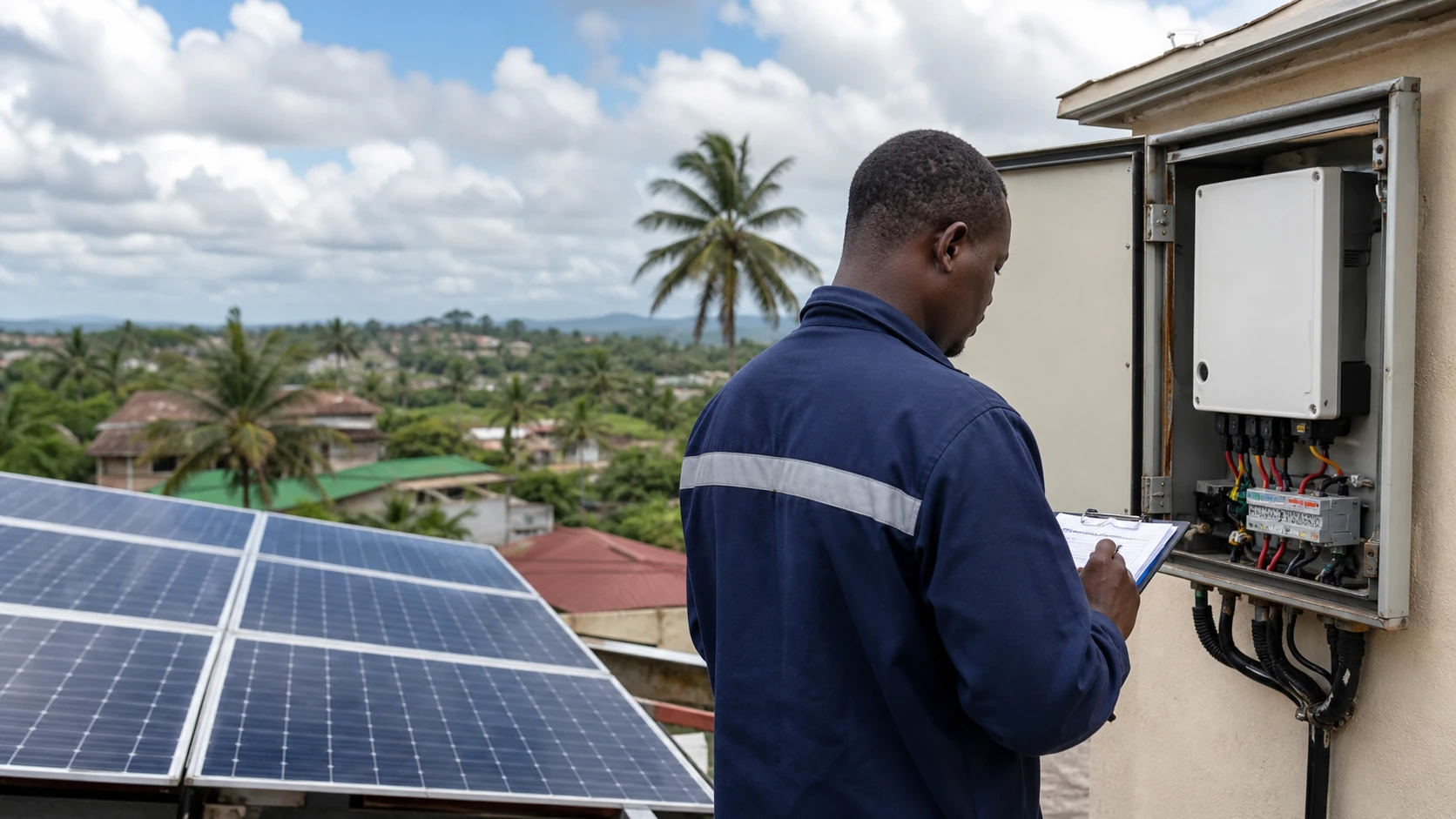
The solar maintenance relies on regular inspections and paying attention to warning signs that may indicate a drop in performance or a malfunction in your solar power system. Identifying these signs early allows you to ask the right questions of a professional and take action before a minor problem escalates.
In practice, maintenance checks may include a visual inspection of the panels (for dirt, cracks, or discoloration), verification of electrical connections, inspection of the inverter, and examination of the wiring. Certain signs warrant special attention: an unexplained drop in output, error messages on the inverter, abnormal overheating of components, or signs of moisture in the junction boxes.
The frequency and thoroughness of inspections depend on the type of facility, the environment (dust, vegetation, climate), and the operating conditions specific to each site. There is no one-size-fits-all schedule: each configuration requires a tailored assessment.
This article details the key checkpoints and indicators to monitor in order to maintain a solar installation over the long term. To explore the various possible configurations, see Our Solutions.
Background: Why Solar Maintenance Deserves Regular Attention
A photovoltaic system doesn't end with commissioning. The solar maintenance determines the system’s actual performance over time: production, component lifespan, and electrical safety depend on regular inspections and the ability to identify warning signs before they turn into costly failures.
Initial Assumptions
This article is intended for owners of existing installations—residential, commercial, or agricultural—who wish to organize their monitoring. It assumes that:
- The system was designed and installed based on a preliminary study; ;
- The user has physical access to the modules, the exposed wiring, and the inverter; ;
- No advanced electrical knowledge is required for the visual inspections described, but any work on the wiring or internal components must be performed by a qualified technician.
Decision Criteria
Before establishing a maintenance program, there are several questions worth considering:
- Local Environment : Dust, nearby vegetation, high salinity, or high humidity can accelerate fouling or corrosion.
- Component Type : central inverter, microinverters, storage batteries—each component has its own control points.
- Appropriate frequency : An appropriate inspection schedule depends on site conditions, not on a universal timeline.
The following sections detail the specific checks to be performed and the indicators that should trigger action.
A Practical Guide: Step-by-Step Solar Maintenance Checks
Effective solar maintenance relies on a structured routine. Here is a practical approach to organizing your inspections and quickly identifying issues.
Step 1 — Visual inspection of the panels and wiring
Start by conducting a regular visual inspection of the photovoltaic modules. Look for:
- Dust, leaves, or bird droppings that could reduce light intake.
- Micro-cracks, discoloration, or bubbles on the surface of the cells.
- Exposed wires, loose connectors, or signs of oxidation on the fittings.
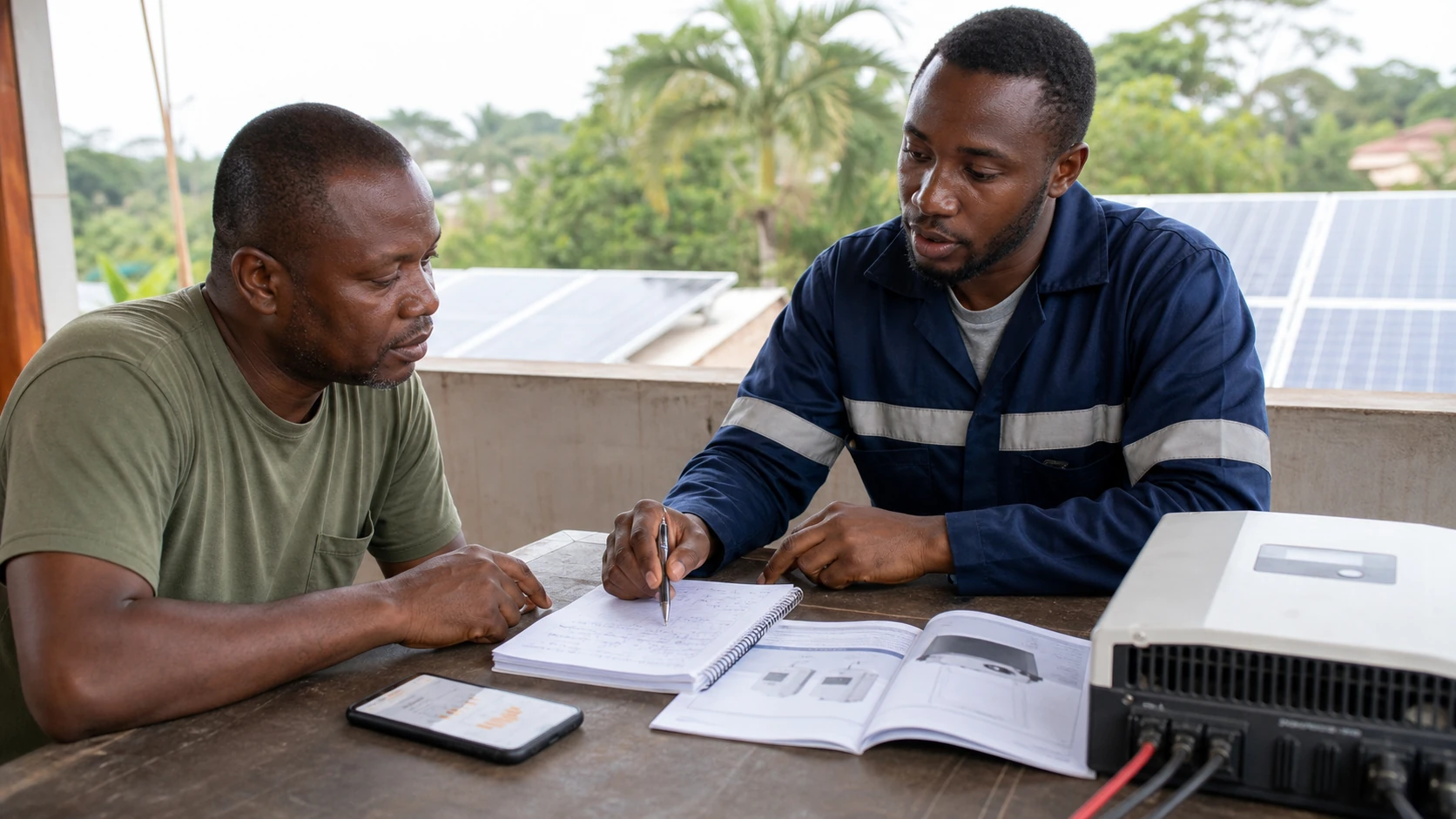
Record each observation in a notebook or a dedicated file: this traceability makes it easier to track changes over time.
Step 2 — Checking the Inverter and Storage System
The inverter is the central component for energy conversion. Check the following:
- The status lights and any error codes that may be displayed.
- The ventilation around the unit (no obstructions, clean grille).
- If your system includes batteries, check the load levels and the apparent condition of the terminals.
Step 3 — Production Monitoring and Comparison
Track daily or weekly production and compare it to previous periods with similar sunlight conditions. A gradual or sudden drop may indicate a technical issue that needs to be investigated.
Warning Signs You Shouldn't Ignore
Certain signs indicate the need for prompt action:
- Sharp Drop in Production with no obvious change in the weather.
- Unusual noise from the inverter.
- Abnormal heating a cable or a connector.
- Repeated Disjunctions of the protection system.
If you notice any of these signs, it is recommended that you contact a qualified technician rather than attempting to repair the electrical components yourself.
Preparing a Useful History
For any requests for diagnostics or quotes, having a production and maintenance history is helpful. If you’re considering a more comprehensive assessment of your system, check out our guide Solar System Assessment: What Information Should You Gather Before Requesting a Quote? in order to gather the relevant data in advance.
Decline in performance: the key indicator to watch for
A photovoltaic system has few moving parts, but it is still exposed to environmental stresses—dust, humidity, heat—that can gradually degrade its performance. Knowing what to monitor helps you take action before a minor problem becomes costly.
Visual Inspections to Be Performed Regularly
- Panel area: accumulation of dust, fallen leaves, bird droppings, or signs of unusual shading.
- Mounting structure: Loose fasteners, signs of corrosion, or visible deformation caused by inclement weather.
- Exposed wiring: cracked insulation, discolored connector, or burn marks. Never touch an electrical component that shows signs of overheating; have a qualified technician handle the repair.
- Inverter: warning lights, error messages displayed on the screen, unusual fan noise.
Warning Signs You Shouldn't Ignore
A sudden or gradual drop in measured output—visible on the inverter display or a monitoring system—is the first sign of a malfunction. A system’s performance depends on site-specific parameters (orientation, tilt, temperature, shading, component quality); this is why the IEA PVPS emphasizes that performance evaluation is based on data specific to each installation and not on generic averages (IEA PVPS Task 13 — Performance of New Photovoltaic System Designs).
When should you call in a professional?
The appropriate maintenance frequency depends on local conditions—climate, immediate environment, type of installation—and the manufacturer’s recommendations for each component. A qualified professional can perform electrical measurements, conduct a thermographic inspection, and check the condition of protective devices (circuit breakers, surge arresters). If you have any doubts about a warning signal, it is best to request an inspection rather than attempting to work on live components yourself.
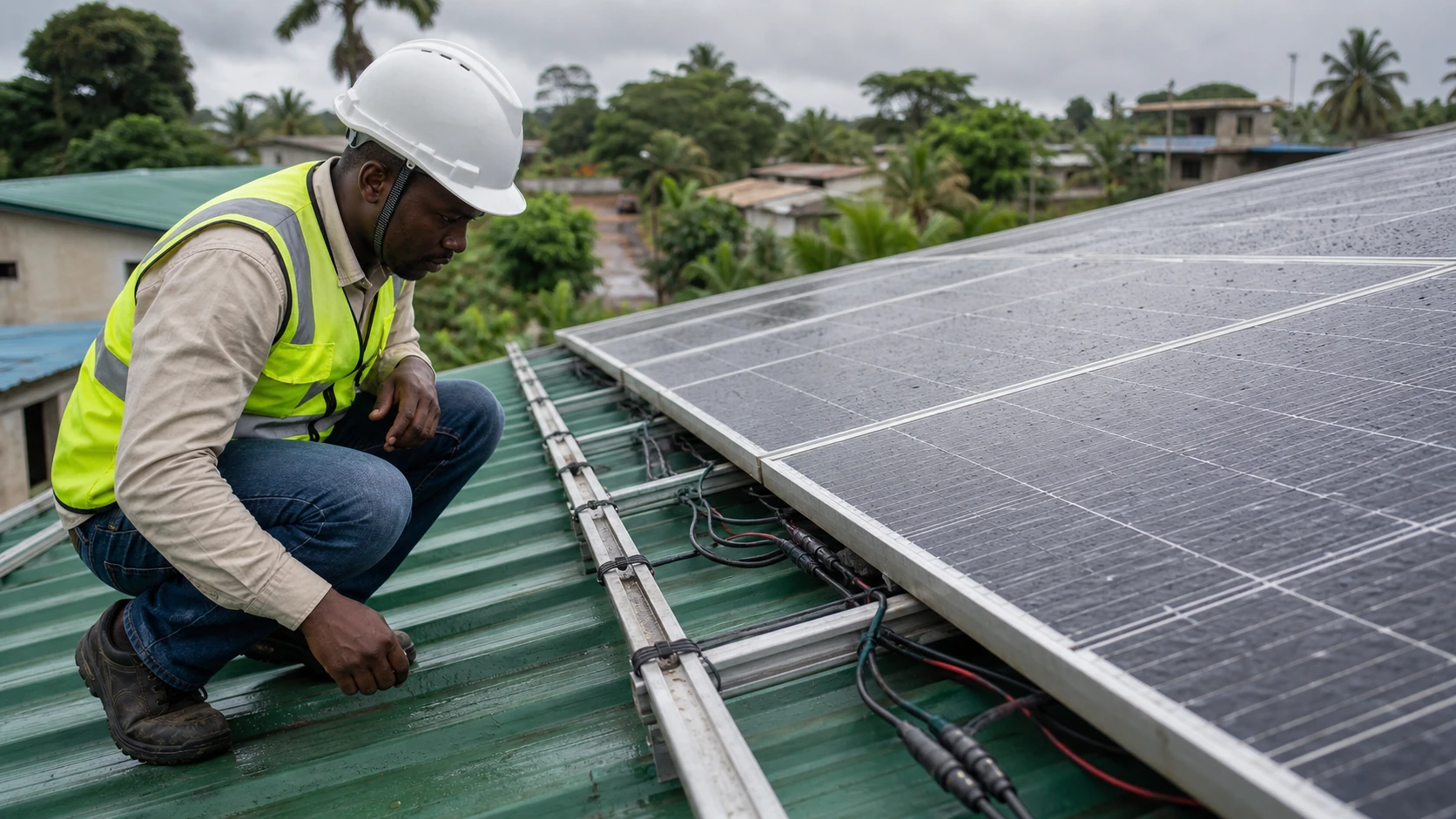
Summary of Signs to Watch For: Comparative Checklist
To make it easier to monitor a photovoltaic system, the table below distinguishes between routine visual inspections that users can perform themselves and tasks that require a qualified technician. The recommended frequencies are not universal: they depend on the manufacturer’s recommendations, site conditions (dust, humidity, surrounding vegetation), and the advice of a professional.
| Element | User Control (Visual) | Service by a Qualified Technician |
|---|---|---|
| Panel Area | Check for any deposits, leaves, or unusual shadows | Technical cleaning for stubborn stains or hard-to-reach areas |
| Mounting Structure | Check for any play, visible corrosion, or loose fasteners | Tightening, replacing parts, checking the ground connection |
| Exposed Wiring | Identify damaged sheaths, exposed wires, or disconnected cables | Repair, Replacement, and Insulation Testing |
| Inverter | Check the status lights and record any error codes displayed | Diagnostics, firmware update, replacement if necessary |
| Batteries (if included) | Note any odors, deformations, or visible leaks in the housing | Capacity Measurement, Rebalancing, Replacement |
| Measured production | Compare the reported production to the usual readings over a similar period | Analysis of Monitoring Data and Performance Testing |
Warning Signs You Shouldn't Ignore
- Sudden Drop in Production with no obvious change in the weather.
- Permanent error light or abnormal flashing on the inverter.
- Discoloration, microcracks, or visible hot spots on a panel — never touch a suspicious electrical component; contact a technician.
- Unusual noise coming from the inverter or the electrical panel.
This checklist serves as a starting point. Since every installation is different, it is recommended that you consult the manufacturer’s documentation and consult a qualified professional to develop a maintenance plan tailored to the actual conditions at the site.
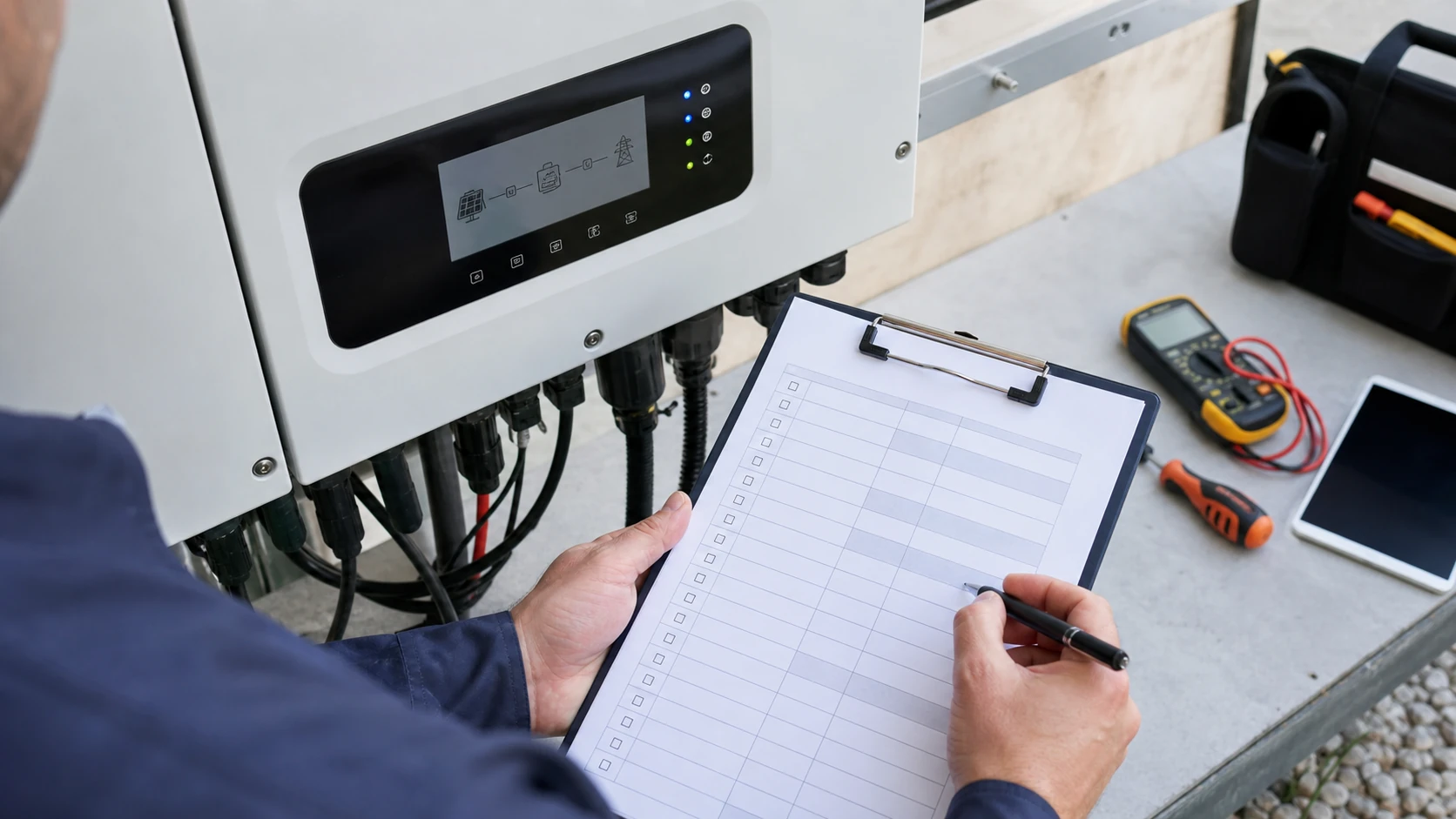
Tailoring Solar Maintenance to Your Local Environment
Site-specific conditions directly influence the solar maintenance program that should be implemented. Dust, high humidity, nearby vegetation, or exposure to winds carrying particles can accelerate the buildup of dirt on the panels and place additional strain on the electrical components.
In areas with high irradiance, equipment operates at sustained output levels for long periods of time. It is useful to determine whether this continuous stress affects the performance of inverters or connections. The article Central Africa: Above-Average Solar Irradiance in 2026 sheds light on this regional factor.
If your site experiences power outages or voltage fluctuations, regularly check the operation of electrical protective devices and circuit breakers. These checks help identify abnormalities before they cause damage to the system.
A few points to adapt to local conditions:
- Cleaning Frequency : Adjust as needed based on exposure to dust, pollen, or bird droppings.
- Structural Inspection : Check fasteners and cables after every heavy rainy season.
- Production Monitoring : Compare monthly readings with expected data to detect a gradual decline.
A sound solar maintenance program takes these local realities into account, which is why an on-site assessment is necessary before setting a final schedule.
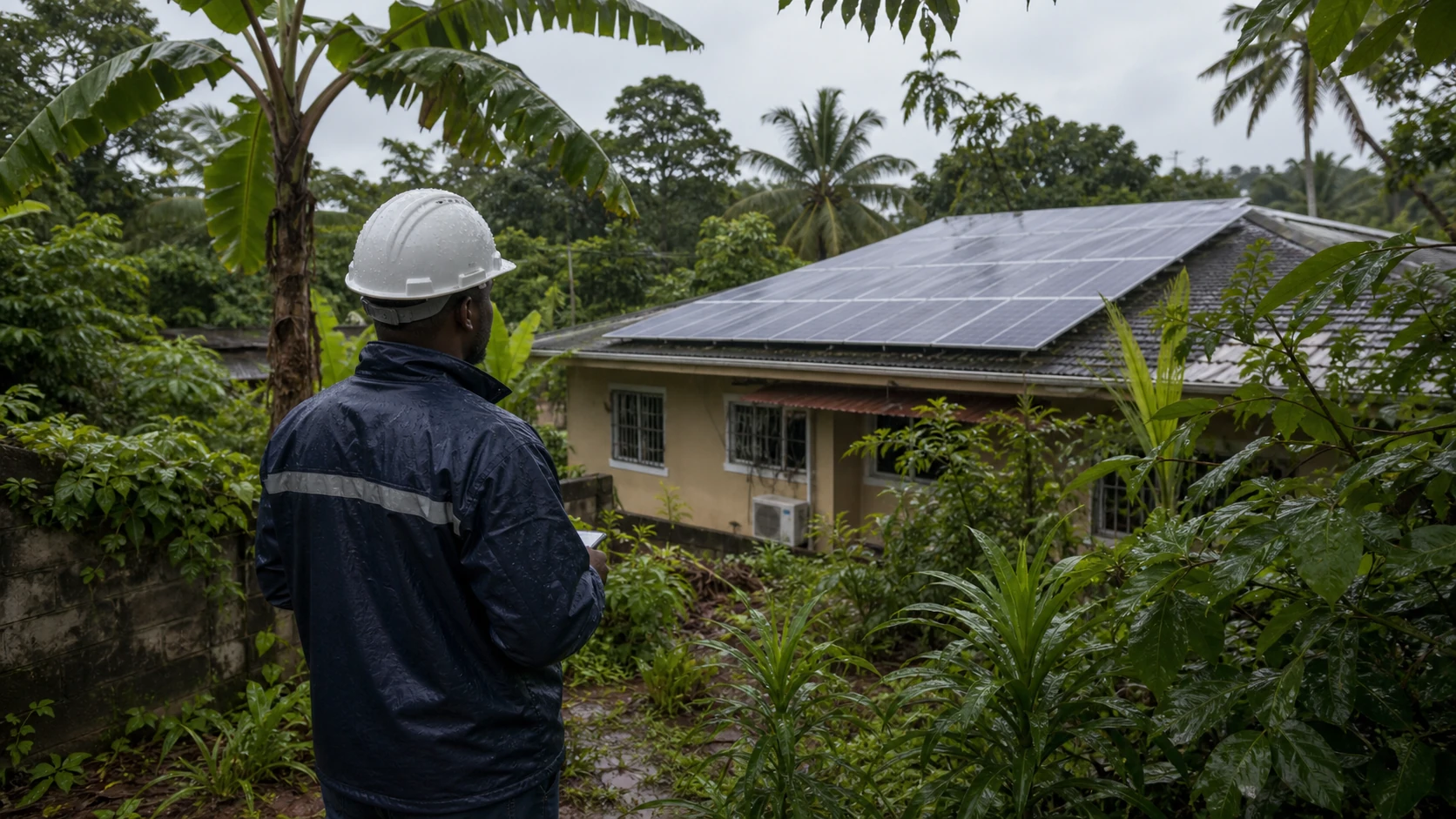
Next step: Plan a maintenance schedule tailored to your facility
Effective solar maintenance relies on an inspection schedule tailored to your site, your equipment, and your operating conditions. Rather than waiting for a warning sign to appear, it is better to be proactive by establishing a monitoring plan as soon as the system is commissioned.
To make concrete progress, you can:
- Gather key information about your system (panel type, storage capacity, inverter, commissioning date) to facilitate any technical discussions.
- Record any anomalies observed — decreased production, error messages, unusual noises — to report them when requesting an evaluation.
- Contact a qualified professional for an on-site assessment if you notice one or more of the warning signs mentioned in this article.
If you'd like to discuss the monitoring of your system or explore the solutions offered by WOW2000, getting in touch is still the most direct way to get answers tailored to your situation.
This article is published by WOW2000 for general informational purposes only; it is not a substitute for an on-site technical assessment or the contractual terms applicable to a specific project. WordPress will display the actual publication date and the date of the last update when the article is posted online.
Frequently Asked Questions About Solar Maintenance
How often should solar panels be cleaned?
There is no one-size-fits-all frequency. The cleaning interval depends on the site’s environment: dust, pollen, bird droppings, and proximity to trees or construction zones. Consult the manufacturer’s recommendations for your panels and regularly inspect the surface condition to determine the appropriate cleaning schedule for your situation.
What visual cues should serve as a warning sign of a potential problem?
Signs to watch for include: discoloration or browning of the cells, visible microcracks on the glass, yellowing of the protective (encapsulant) film, cables with damaged sheathing, or standing water under or around the modules. If you notice an area that appears abnormally hot to the eye (air ripples, localized discoloration), do not touch the component and contact a qualified technician.
Is it possible to perform solar system maintenance on your own?
Certain monitoring tasks, such as visually inspecting the panels or checking the inverter display, can be performed by the user. However, any work on the electrical wiring, connectors, or internal components must be performed by a qualified professional.
How can I tell if the system's output has decreased?
If your installation has a monitoring system, compare current production data with previous readings taken under comparable sunlight conditions. A gradual decline may indicate fouling, while a sudden drop may signal a technical fault requiring professional diagnosis.
Is solar maintenance the same for all types of systems?
No. Requirements vary depending on the size of the system, the type of components (central inverter, microinverters, storage batteries), climatic conditions, and usage. The specific recommendations provided by each component’s manufacturer are the most reliable starting point for developing an appropriate maintenance plan.