wow2000.com


How much does a residential solar energy system cost in Gabon?
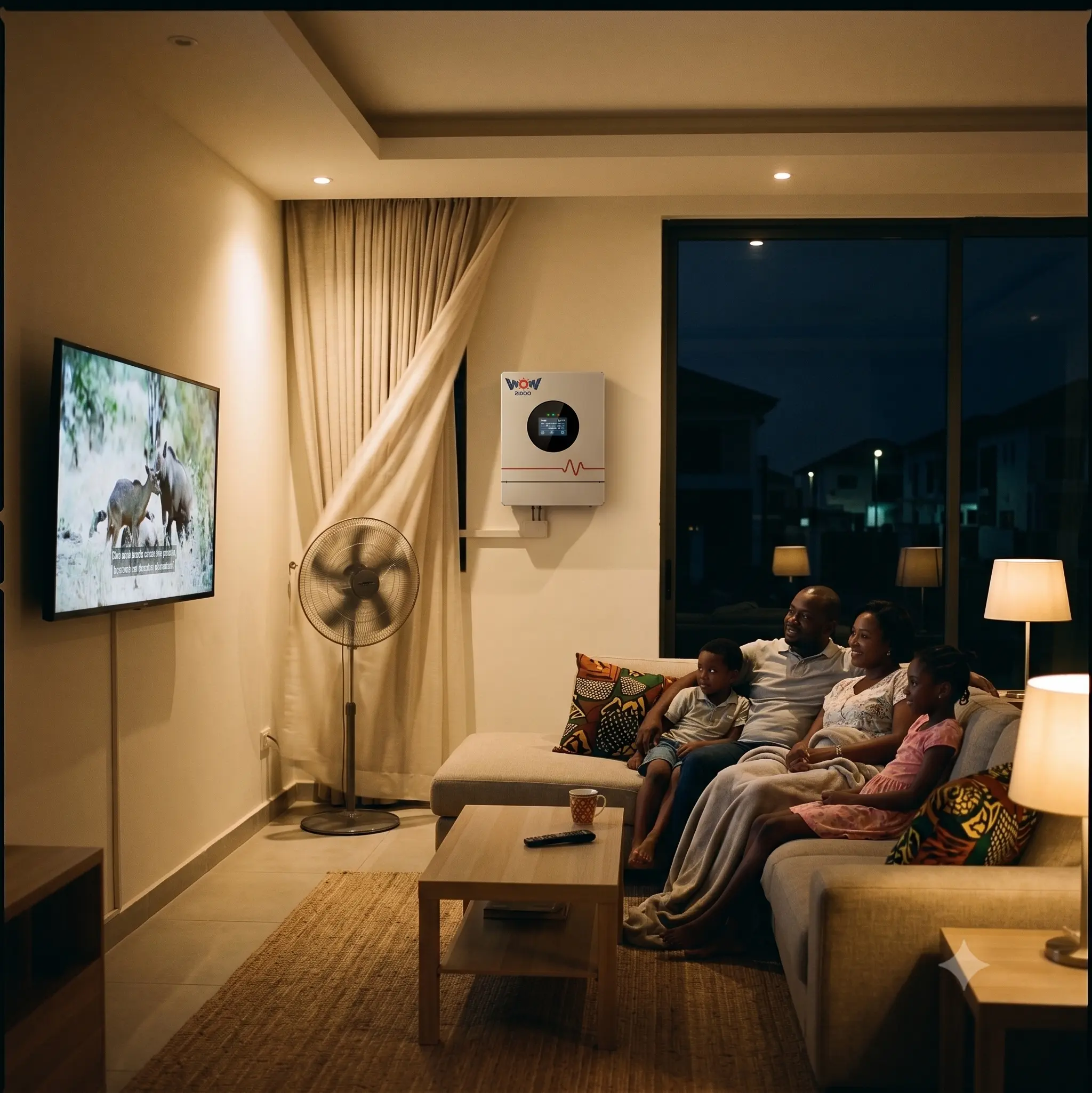
The cost of a residential solar energy system in Gabon varies depending on numerous factors specific to each project. The installed capacity, the chosen storage technology, the site configuration, and the household’s self-sufficiency goals directly influence the final budget. This article provides a framework for understanding the factors that determine this cost and the information you should gather before requesting a quote.
To learn more about the categories of solutions offered by WOW2000, visit Our Solutions.
Understanding Why the Cost of a Residential Solar System Varies
Before requesting a quote, it’s helpful to understand why two installations in two neighboring homes might have very different costs. Several factors account for these differences.
Installed capacity — the primary cost factor
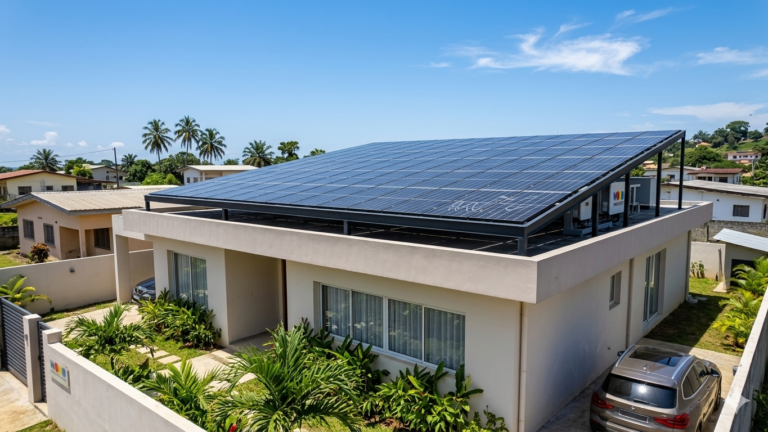
The total power output of the solar panels is the primary factor determining the cost of an installation. A home that uses little electricity—just lighting and a few basic appliances—requires a much lower installed capacity than a villa equipped with several air conditioners, an electric water heater, and a swimming pool.
Power is expressed in kilowatts-peak (kWp). The higher this value, the more panels are needed—and the cost of equipment and labor increases proportionally.
Storage technology — the second-largest cost factor
The type of battery chosen has a significant impact on the overall budget. Two main technologies are available on the Gabonese market, each with very different cost profiles.
Lead-acid batteries have a lower initial purchase cost. However, their lifespan is shorter, particularly under Gabon’s tropical conditions. Over the system’s total lifespan, their cost may end up being higher than that of lithium batteries if replacements are needed at frequent intervals.
Lithium Batteries require a higher initial investment. On the other hand, they have a longer service life in terms of cycles, and their temperature performance is better suited to the climate in Gabon. To learn more about this topic, see our article on the’Residential solar power with a lithium battery in Gabon.
The inverter — the third cost factor
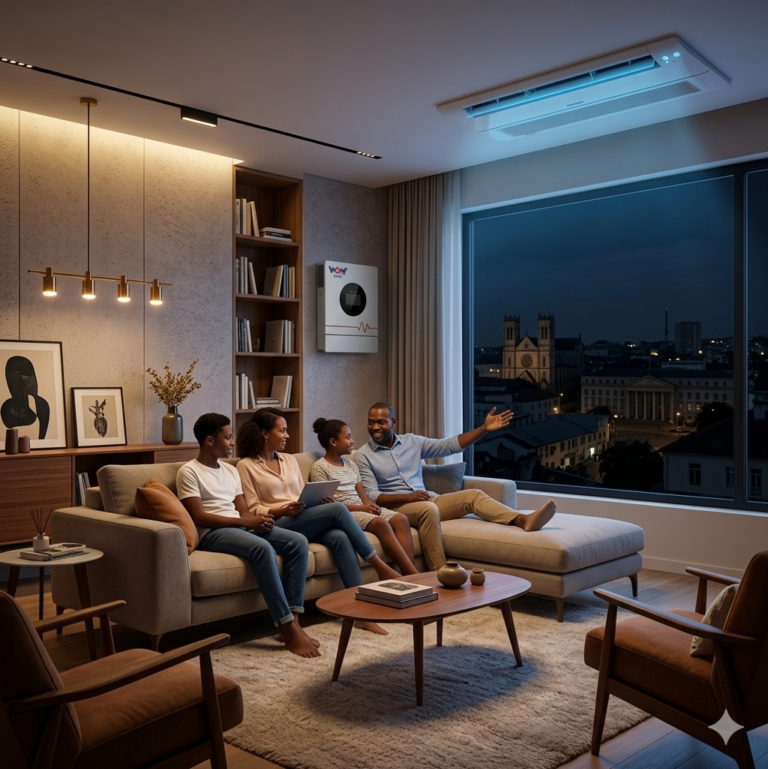
The inverter is the central component that manages the flow of energy between the panels, the battery, and the power grid. Its cost varies depending on its features—standard inverter, hybrid inverter with battery management, off-grid inverter—and its rated power. To understand the criteria for choosing an inverter, see our guide on’hybrid inverter.
Site constraints — the fourth cost factor
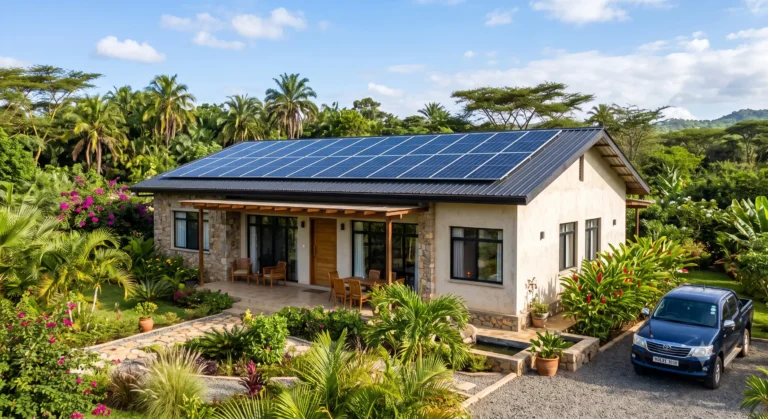
The physical characteristics of your site can affect the cost of installation. A roof that is difficult to access, a structure requiring special fasteners, a significant distance between the panels and the equipment room, or the need to upgrade the electrical panel are all factors that can affect the final quote.
What a Residential Solar System Budget Actually Covers
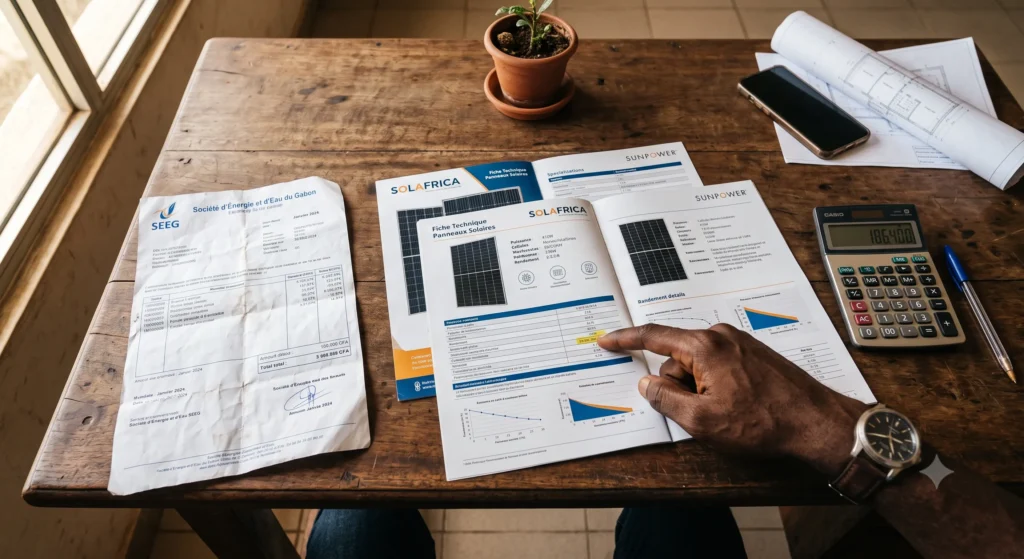
The cost of a residential solar system in Gabon is not limited to the cost of the equipment. Several budget items make up the final estimate.
Equipment — the main station
Solar panels, the inverter, and the batteries generally account for the largest portion of the budget. The cost of this equipment depends on its power output, technology, and brand. Equipment certified by recognized international organizations—such as IEC 61215 and IEC 61730 testing for panels—offers a better guarantee of durability but may require a higher initial investment.
Labor and Installation
The installation of the panels, wiring, inverter configuration, and electrical connections constitute a separate budget line item. This cost depends on the complexity of the installation, roof access constraints, and the amount of labor required.
Electrical Protective Devices and Accessories
Circuit breakers, surge arresters, cables of the appropriate gauge, and junction boxes—these components are essential to the safety and proper operation of the system. They account for a variable portion of the budget, depending on the chosen configuration.
Warranty and Post-Installation Support
The cost of a residential solar system also includes the installer’s post-installation commitments—warranty terms covering equipment and labor, as well as availability for maintenance or repair services. These details must be clearly outlined in the estimate before signing any contract.
Gather the necessary information before requesting a quote
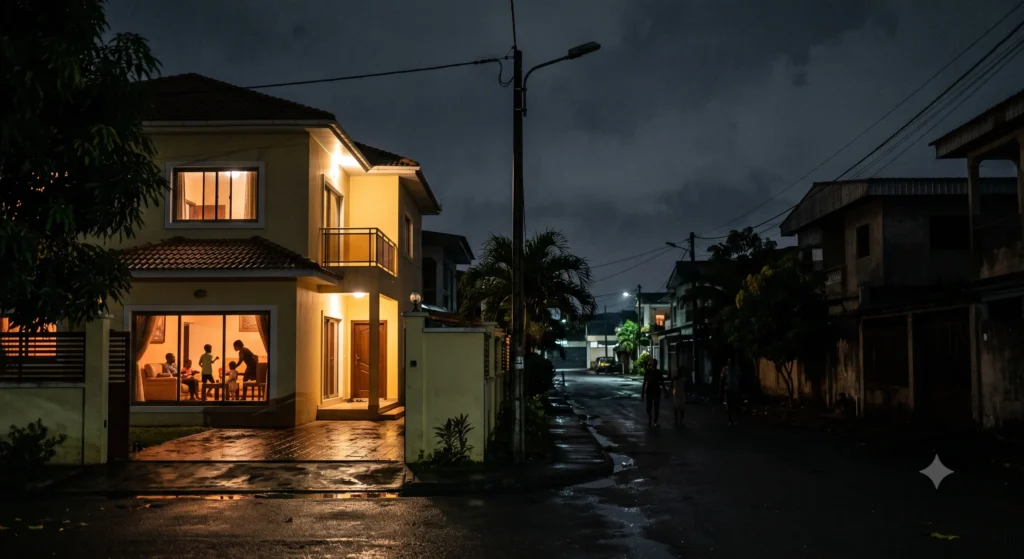
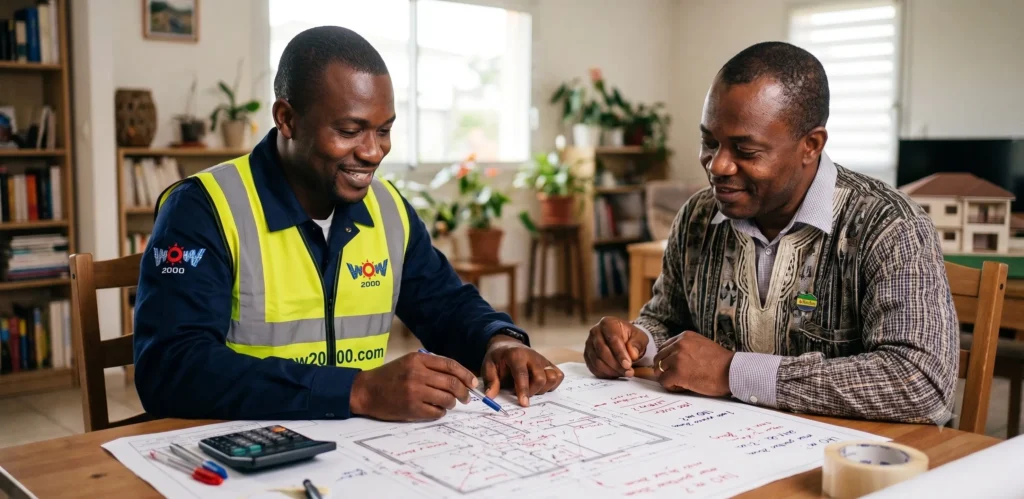
Before contacting an installer, gathering the following information will help you get an accurate quote tailored to your specific situation.
| Item to be documented | What You Need to Know |
|---|---|
| Monthly consumption | Your SEEG bill shows your electricity usage in kWh. This figure serves as the starting point for sizing the system. |
| Priority Devices | List the appliances you want to power first—refrigerator, air conditioner, lights, chargers. |
| Goal of Self-Reliance | Decide whether you want to lower your bill, remain self-sufficient during power outages, or achieve complete independence. |
| Duration of outages | Note the frequency and typical duration of power outages in your neighborhood—this information determines the size of the storage system. |
| Available space | Estimate the roof area or outdoor space available for the panels. |
| Status of the Electrical Panel | An outdated electrical panel may need to be upgraded—check this before starting any project. |
| Available budget | Setting a budget allows the installer to recommend the configuration that best fits your financial constraints. |
How to Read and Compare Two Solar Quotes
When comparing two quotes for a residential solar system in Gabon, price alone isn't the only factor to consider. There are several factors that should be carefully examined before making a decision.
The total installed capacity in kWp, the storage capacity in kWh, the equipment brand and certifications, the warranty terms for equipment and labor, and the procedures for handling breakdowns are all factors that account for price differences between two proposals. A lower quote may reflect lower-quality equipment or less favorable warranty terms.

Evaluating the Return on Investment of a Residential Solar System
The cost of a residential solar system in Gabon must be viewed in the context of the long-term savings it generates. This approach shifts the focus from viewing it as a cost to viewing it as an investment.
Savings on Your SEEG Bill
A properly sized solar system reduces a household’s electricity consumption from the SEEG grid during daylight hours. With a system that includes battery storage, this reduction also extends to nighttime hours. The amount of monthly savings depends on the size of the system, your typical electricity usage, and the applicable SEEG electricity rate.
Reducing expenses related to service cuts
Frequent power outages result in indirect costs that are often underestimated—such as the loss of refrigerated food, repairs to appliances damaged by power surges when the power comes back on, and the purchase of candles or emergency lights. A properly configured solar system significantly reduces these unexpected expenses.
The Depreciation Period
The payback period for a residential solar system in Gabon depends on the initial cost, the monthly savings generated, and any maintenance costs. This calculation varies for each household and each setup—it is a key piece of information to request during the technical assessment.
As the’International Energy Agency — IEA PVPS Task 13, the actual performance of a photovoltaic system depends on parameters specific to each installation. No generic estimate can replace an on-site assessment.
Next step: Get a quote tailored to your situation
To get an accurate estimate of the cost of a residential solar energy system in Gabon, gather the information from the table above and send it to WOW2000 to initiate a no-obligation technical consultation.
To learn more about the available systems, see our article on How to Choose an Off-Grid Residential Solar Kit in Gabon, which details the criteria for selecting components.
You can contact the team via WhatsApp or via the form on the page Contact Us.
Publisher Disclosure: This article is published by WOW2000 for general informational purposes only. It is not a substitute for an on-site technical assessment or the contractual terms applicable to a specific project. The cost of a residential solar installation depends on factors specific to each household and each setup—no fixed price can be guaranteed without a preliminary assessment.
Frequently Asked Questions — Residential Solar System Installation Costs
Why can two solar system quotes have such different prices?
These differences can be attributed to installed capacity, the chosen battery technology, the equipment brand and certifications, site-specific constraints, and the warranty terms offered. A lower quote may reflect lower-quality equipment or less favorable warranty terms.
Does the price of a solar installation include labor?
It depends on the quote. Some installers quote prices for the equipment only and bill for installation separately. Others offer a turnkey package that includes equipment, installation, wiring, and commissioning. It’s important to check this before signing.
Is it possible to finance a residential solar system over time?
Yes. A modular approach allows you to start with a basic system—a few panels and a small-capacity battery—and then add components over time. This approach lets you spread out the investment according to your household’s financial situation.
Is the cost of a residential solar system the same everywhere in Gabon?
No. Logistical constraints related to equipment delivery and technician travel may affect the cost in cities located far from Libreville. This factor should be specified when requesting a quote.
When is the best time to invest in a residential solar system in Gabon?
There is no such thing as a universally ideal time. The best time is when you have the information you need to make an informed decision—documented energy consumption, assessed site constraints, and defined autonomy goals. A preliminary technical study allows you to confirm feasibility and obtain an accurate estimate before making any commitment.